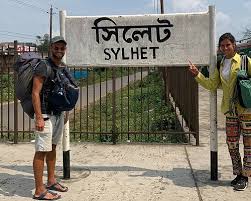
Have you ever wondered about the stories hidden in the ancient stones and traditions of a place? Walking through Sylhet, one can feel the echoes of centuries past, a testament to its rich and often untold narrative. This post aims to bring the vibrant sylhet history to life, guiding you through its fascinating origins, significant eras, and enduring cultural impact.
You will gain a deeper appreciation for this unique region, its people, and its place in the broader tapestry of human civilization, spending more time engaged with its compelling past.
Key Takeaways
- Sylhet’s history is deeply intertwined with its geographical location and natural resources.
- The region has witnessed significant periods of rule and cultural exchange.
- Its unique identity is shaped by ancient kingdoms, religious influences, and economic activities.
- Key historical events highlight Sylhet’s strategic importance and resilience.
- The legacy of its past continues to influence modern Sylhet.
The Ancient Roots Of Sylhet History
The story of Sylhet, a prominent city and division in northeastern Bangladesh, is a narrative woven from ancient settlements, trade routes, and cultural fusions. Its origins stretch back to a time when the land was shaped by nature and early human endeavors. The very name “Sylhet” is believed by many to have originated from a combination of “Srihatta,” meaning a prosperous market or trading center, hinting at its early economic significance.
This region, blessed with fertile land and vital waterways, naturally attracted human habitation from prehistoric times.
Archaeological findings and historical texts suggest that Sylhet was part of various ancient kingdoms that flourished in the Indian subcontinent. Early inhabitants likely belonged to indigenous tribal groups, whose presence is often alluded to in later historical accounts. The strategic location, bordering hills and rivers, made it a confluence point for different cultures and peoples.
Early Settlements And Geographical Influences
The geographical landscape of Sylhet played a pivotal role in its early development. Surrounded by hills and characterized by numerous rivers, including the Surma and Kushiara, the region offered abundant natural resources. These rivers not only provided sustenance through fishing but also served as vital arteries for transportation and trade.
The fertile plains were ideal for agriculture, supporting growing populations.
The indigenous tribes living in the region, such as the Khasi and Manipuri communities, have ancient roots in Sylhet. Their traditions, languages, and social structures predate many of the later influences. Their presence contributed to the diverse cultural mosaic that characterizes Sylhet.
The hills surrounding Sylhet, particularly in the eastern and northern parts, were also home to various tribal communities. These communities often maintained distinct cultural identities and engaged in trade with the plains dwellers. Their knowledge of the land and its resources was invaluable.
The Significance Of Srihatta
The historical appellation “Srihatta” is central to understanding the early economic fabric of Sylhet. It denotes a place of thriving commerce, a hub where goods were exchanged and merchants converged. This trading tradition likely began in the early centuries CE, facilitated by the region’s connectivity through rivers and land routes.
Evidence suggests that Srihatta was more than just a local market; it was a nexus for broader regional trade. This fostered an environment of cultural exchange, where ideas, customs, and technologies traveled along with the merchandise. The economic prosperity generated by Srihatta laid a foundation for future growth and development in the area.
The economic activity in Srihatta was not limited to agricultural produce. It also involved the trade of local crafts, natural resources like timber, and possibly exotic items from further afield. This vibrant marketplace would have been a melting pot of people from various backgrounds, all drawn by the opportunities for commerce.
Periods Of Rule And Cultural Exchange
Over centuries, Sylhet experienced the sway of various dynasties and empires, each leaving an indelible mark on its history and culture. From ancient indigenous rulers to powerful medieval empires, the region’s governance evolved, bringing with it new administrative systems, architectural styles, and religious practices. This constant flux of power also meant continuous cultural interaction.
The region’s strategic position made it a prize for many rulers, leading to periods of conflict and conquest. However, these interactions also fostered a rich blend of traditions, languages, and artistic expressions. Understanding these periods of rule helps illuminate the layered identity of Sylhet.
The Influence Of The Gupta And Pala Empires
While direct evidence of extensive Gupta or Pala administration within the precise geographical boundaries of modern Sylhet can be scarce, their influence was pervasive across the wider Bengal region, which included Sylhet. These powerful empires, known for their patronage of arts, literature, and religious institutions, set cultural and administrative standards that often filtered down to peripheral areas like Sylhet.
The Gupta period, often considered a “golden age” in Indian history, saw the spread of Sanskrit learning, advancements in science, and a flourishing of Hindu religious traditions, particularly Vaishnavism and Shaivism. It is plausible that these cultural and religious currents reached Sylhet through trade and migration.
Similarly, the Pala Empire, which followed, was a major patron of Buddhism, especially Mahayana and Tantric Buddhism, as well as Hinduism. The extensive network of monasteries and learning centers established by the Palas likely facilitated the spread of religious thought and practices.
The administrative structures and land management techniques developed during these empires also provided a framework for governance that subsequent rulers often adopted or adapted. This period represents a foundational layer in the broader historical development of the subcontinent, indirectly shaping the trajectory of regions like Sylhet.
The Sultanate And Mughal Eras
The advent of the Delhi Sultanate and later the Mughal Empire marked a significant shift in Sylhet’s political and cultural landscape. Islam was introduced and gradually spread, leading to the construction of mosques, shrines, and madrasas. This era saw the rise of Sufi saints, whose teachings and spiritual influence profoundly impacted the region.
The Mughals, in particular, exerted considerable administrative control over Sylhet. They recognized the economic potential of the region, especially its tea gardens which began to gain prominence later. Mughal architecture and administrative policies left lasting impressions on the urban development of Sylhet.
Key historical figures from these eras, such as Shah Jalal, a revered Sufi saint, played a transformative role. His arrival in Sylhet is a pivotal event in the region’s religious and cultural history, attracting a large following and contributing to the spiritual landscape.
During the Sultanate and Mughal periods, Sylhet also witnessed considerable trade. Its natural resources, coupled with its strategic location, made it an important center for commerce within the larger empire. This period saw the integration of Sylhet more firmly into the political and economic systems of the subcontinent.
The Arrival Of Christianity And Colonial Influence
The colonial era brought another wave of change with the arrival of European powers, primarily the British. Their administration brought new economic models, most notably the establishment of large-scale tea plantations. This fundamentally transformed Sylhet’s economy and social structure.
Christian missionaries also arrived during this period, establishing schools and healthcare facilities. This introduced new educational systems and healthcare practices, coexisting with and sometimes influencing indigenous traditions. The impact of colonial rule was multifaceted, bringing both development and exploitation.
The establishment of tea gardens led to significant demographic shifts, with labor being brought in from various regions. This added another layer to Sylhet’s diverse cultural composition. The colonial administration also introduced modern infrastructure like railways and postal services, connecting Sylhet more effectively to the outside world.
The legacy of this period includes administrative reforms, the introduction of English as a medium of education, and the lasting impact of the tea industry on the region’s economy and landscape. It also set the stage for future political developments, including the partition of India and the creation of Pakistan.
Key Historical Events And Figures
Sylhet’s history is punctuated by events and shaped by individuals whose actions reverberated through the region and beyond. These moments and personalities provide concrete anchors in the vast expanse of time, illustrating the region’s resilience and its contributions to broader historical narratives. Understanding these specifics offers a clearer picture of how Sylhet evolved.
The arrival of Islam, the Sufi saints, and the subsequent periods of rule all contributed to the unique cultural and religious identity of Sylhet. These influences were not always imposed; often, they blended and adapted to the existing local traditions, creating a distinct Sylheti character.
The Legend Of Shah Jalal
One of the most influential figures in Sylhet’s history is undoubtedly Hazrat Shah Jalal (R.A.). His arrival in Sylhet around the early 14th century is considered a pivotal moment in the region’s spiritual and cultural transformation. Shah Jalal was a Sufi saint from Yemen who, with his followers, embarked on a mission to spread Islam.
His legendary journey and subsequent settlement in Sylhet marked the beginning of a new era. He is revered for his piety, wisdom, and his role in consolidating Islamic teachings in the region. His shrine in Sylhet city remains a major pilgrimage site, drawing devotees from far and wide, a testament to his enduring legacy.
The narrative of Shah Jalal’s arrival often includes tales of his spiritual powers and his peaceful conversion of local populations. He is credited with establishing centers of learning and spiritual practice, which became beacons of Islamic scholarship and Sufi mysticism. His influence extended beyond religious spheres, impacting the social and cultural fabric of Sylhet.
The story of Shah Jalal is deeply embedded in the collective memory of Sylhet. It symbolizes the arrival of a new faith that, rather than replacing existing traditions entirely, integrated with and enriched them, contributing to the distinctive religious syncretism found in the region.
The Sylhet Referendum Of 1947
A watershed moment in modern Sylhet history was the referendum held in July 1947. This vote determined whether the Sylhet district would join Pakistan or remain with India after the impending partition of British India. The referendum was a direct consequence of complex political negotiations and communal tensions of the time.
The question posed to the electorate was whether Sylhet should be detached from Assam and united with Bengal, and then decide whether to join East Bengal (Pakistan) or West Bengal (India). The referendum saw an overwhelming turnout, reflecting the deep emotions and aspirations tied to the decision.
The outcome was a decisive victory for joining Pakistan. Over 239,000 votes were cast in favor of joining Pakistan, compared to just under 184,000 for joining India. This decision led to Sylhet becoming part of East Pakistan, and later Bangladesh.
The Sylhet Referendum is a significant event as it highlights the agency of the local population in shaping their political destiny. It underscores the complex geopolitical landscape of the subcontinent and the profound impact of such decisions on the lives of millions. The legacy of this vote continues to be a point of historical discussion.
The Role Of Tea Gardens
The establishment of tea gardens in the 19th century by the British marked a profound economic and social transformation in Sylhet. The region’s favorable climate and terrain proved ideal for tea cultivation, leading to the development of vast estates. This industry attracted significant investment and labor.
The tea garden era brought about changes in land ownership, labor practices, and the overall economy. While it generated wealth, it also created a distinct social hierarchy and introduced new challenges for the local population and the indentured laborers brought from various parts of India.
The economic impact of tea is undeniable. Sylhet became a major producer of tea, contributing significantly to the colonial economy. The landscape itself was reshaped, with rolling hills covered in vibrant green tea bushes.
The social history of the tea gardens is also complex, involving the lives of plantation workers, often referred to as “Sramik” communities. Their experiences, struggles, and cultural contributions are an integral part of Sylhet’s modern history. The industry continues to be a vital part of Sylhet’s economy today.
Cultural And Economic Development
Sylhet’s history is not just about political shifts and famous figures; it is also about the evolution of its culture and economy. These aspects reveal the resilience and adaptability of the Sylheti people, their unique traditions, and their contributions to broader societal progress. The region’s economic activities have often been shaped by its natural resources and its people’s entrepreneurial spirit.
From ancient trading centers to modern industrial development, Sylhet has consistently demonstrated economic dynamism. Its cultural landscape, a blend of indigenous, Islamic, and colonial influences, is equally rich and varied.
Linguistic And Literary Heritage
The linguistic heritage of Sylhet is a fascinating aspect of its cultural identity. While Bengali is the official language, Sylheti, a distinct language or dialect, is widely spoken by the Sylheti diaspora and within the region. The precise classification of Sylheti—whether as a separate language or a dialect of Bengali—is a subject of academic debate, but its unique vocabulary, phonology, and grammar are undeniable.
Historically, Sylhet has been a center for both Bengali and Sylheti literature. Sufi saints often composed poetry and prose in local dialects to reach a wider audience. During the Sultanate and Mughal periods, religious and secular literature flourished, influenced by Persian and Arabic traditions.
The British colonial era saw the rise of modern Sylheti writers and poets who explored themes of identity, social change, and the impact of new ideologies. This literary tradition continued into the post-partition era, with Sylheti writers contributing to both Bengali and diaspora literature.
The preservation and promotion of the Sylheti language and its literature are ongoing efforts, reflecting a deep sense of cultural pride and identity among Sylhetis worldwide. This linguistic distinctiveness is a key component of Sylhet’s unique historical narrative.
Economic Contributions And Diaspora
Sylhet’s economy has historically been shaped by its agricultural wealth, natural resources, and trade. The fertile land supports cultivation of rice, tea, and citrus fruits. The region is also known for its natural gas reserves, which have contributed to national energy resources.
However, one of the most significant economic phenomena in modern Sylhet history is the rise of its large diaspora. Starting in the mid-20th century, Sylhetis began migrating in large numbers, particularly to the United Kingdom, the Middle East, and North America. This migration was driven by economic opportunities and a desire for better livelihoods.
The Sylheti diaspora has made substantial contributions to the economies of their host countries, often excelling in entrepreneurship, particularly in the restaurant and retail sectors. Crucially, they have also played a vital role in the economy of Sylhet itself through remittances, which have fueled local development, education, and infrastructure projects.
These remittances have transformed many families and communities, improving living standards and enabling further investment in education and businesses. The entrepreneurial spirit of Sylhetis, evident in historical trade centers like Srihatta, has found new expression in the globalized economy, solidifying Sylhet’s unique place in global economic flows.
Religious Harmony And Diversity
Sylhet has a long history of religious coexistence and diversity. While Islam became the predominant religion with the arrival of Sufi saints, the region has also been home to significant Hindu, Buddhist, and indigenous religious communities. This interplay of faiths has fostered a unique cultural landscape.
The shrines of Sufi saints like Shah Jalal, alongside ancient temples and places of worship for other communities, stand as testaments to this historical religious harmony. These sacred sites often attract people from various religious backgrounds, reflecting a shared reverence and a spirit of tolerance.
The cultural practices in Sylhet often exhibit a syncretic nature, where traditions from different religious and ethnic groups have blended over time. This has resulted in festivals, customs, and even culinary practices that are uniquely Sylheti, reflecting a peaceful integration of diverse influences.
Maintaining this religious diversity and harmony has been a continuous process, shaped by historical events and the attitudes of successive rulers and communities. The enduring legacy of religious coexistence is a crucial element of Sylhet’s identity and a source of pride for its people.
Common Myths Debunked
Myth 1: Sylhet Was Always A Predominantly Muslim Region
While Islam is the majority religion in Sylhet today, this was not always the case. The region had a diverse religious landscape before the widespread influence of Islam. Indigenous tribal religions, Hinduism, and Buddhism had a significant presence for centuries.
The arrival of Sufi saints like Shah Jalal in the 14th century gradually led to the spread of Islam, but it was a process that took time and often involved syncretism with existing beliefs rather than outright replacement.
Myth 2: The Sylheti Language Is Just A Dialect Of Bengali With No Unique Identity
Although Sylheti shares many similarities with Bengali, linguistic scholars and native speakers often recognize it as a distinct language or a highly divergent dialect. It possesses unique vocabulary, grammatical structures, and pronunciation patterns that differentiate it from standard Bengali. The Sylheti language has a rich oral tradition and is a vital marker of identity for Sylhetis, especially the diaspora.
Myth 3: The Sylhet Referendum Was A Simple Decision Driven Solely By Religious Lines
The 1947 Sylhet Referendum was a complex event shaped by multiple factors, including religious identity, but also political aspirations, economic concerns, and the broader geopolitical context of the partition. While religion was a significant factor, the decision was influenced by a desire for self-determination and perceived economic or political advantages associated with joining Pakistan. The outcome reflected a deep engagement with these multifaceted issues by the electorate.
Myth 4: Sylhet’s Economy Was Always Dependent On Agriculture
While agriculture, particularly rice cultivation, has always been important, Sylhet’s economy has seen significant diversification throughout its history. The ancient Srihatta represented a thriving trade center. Later, the colonial era introduced the large-scale tea industry, which dramatically reshaped the economy.
In modern times, the substantial contributions of the Sylheti diaspora through remittances have become a cornerstone of its economic vitality, demonstrating a dynamic evolution beyond traditional agriculture.
Frequently Asked Questions
Question: What is the origin of the name Sylhet
Answer: The name Sylhet is widely believed to be derived from “Srihatta,” an ancient Sanskrit term meaning a prosperous market or trading center, indicating its historical importance as a commercial hub.
Question: Who was Shah Jalal
Answer: Shah Jalal was a revered Sufi saint from Yemen who arrived in Sylhet in the 14th century, playing a significant role in spreading Islam and profoundly influencing the region’s religious and cultural landscape. His shrine is a major pilgrimage site.
Question: What was the Sylhet Referendum of 1947 about
Answer: The Sylhet Referendum in 1947 was a vote to decide whether the Sylhet district would join Pakistan or remain with India after the partition of British India. The majority voted to join Pakistan.
Question: What is the Sylheti language
Answer: Sylheti is a language spoken by the Sylheti people. While it shares similarities with Bengali, it has distinct vocabulary, grammar, and pronunciation, leading many to consider it a separate language or a highly divergent dialect.
Question: How has the Sylheti diaspora impacted the region
Answer: The Sylheti diaspora, primarily in the UK and other countries, has significantly impacted the region through substantial remittances. These funds have fueled local development, education, and entrepreneurship, transforming many communities.
Conclusion
Sylhet’s history is a captivating narrative of ancient trade, cultural fusion, and resilient communities. From its origins as Srihatta to the influence of saints like Shah Jalal and the modern impact of its diaspora, the region offers a rich tapestry of human endeavor. Understanding this past provides a deeper appreciation for Sylhet’s unique identity and enduring spirit.
Explore its stories.