Imagine the gentle rustle of leaves, the sweet scent of tea blossoms filling the air, and a lush green carpet stretching as far as your eyes can see. This is the everyday reality for many in Sylhet, Bangladesh, a region synonymous with its breathtaking sylhet tea garden landscapes. If you’ve ever dreamt of escaping the city’s hustle for a tranquil retreat, this guide will show you what makes these gardens a must-visit destination. You’ll discover their history, the unique experience they offer, and practical tips for your visit, making your planning easier and your trip more enjoyable.
Key Takeaways
- Discover the history and cultural significance of tea cultivation in Sylhet.
- Learn about the diverse types of tea produced in the region.
- Explore the sensory experience of visiting a tea garden.
- Understand the economic impact of tea estates on local communities.
- Get practical advice for planning your visit to a sylhet tea garden.
The Emerald Heart of Sylhet
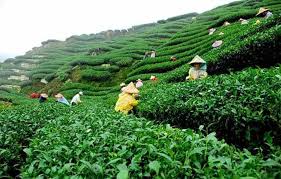
Sylhet’s identity is deeply intertwined with its verdant tea estates. These rolling hills, cloaked in endless rows of tea bushes, form the economic and scenic backbone of the region. For centuries, the fertile soil and ideal climate have made Sylhet a prime location for tea cultivation, transforming it into one of the world’s most significant tea-producing areas. The sheer scale and beauty of these gardens are awe-inspiring, offering a serene escape from everyday life.
A Rich History of Tea
The story of tea in Sylhet is a fascinating one, stretching back to British colonial times. Introduced in the mid-19th century, tea cultivation quickly flourished, leading to the establishment of numerous large estates. These estates not only shaped the landscape but also profoundly influenced the social and economic fabric of Sylhet. The legacy of this era is still visible today in the architecture of old bungalows and the organized layout of the gardens.
- Tea cultivation was first introduced to Sylhet in 1857 by the British.
- By the early 20th century, Sylhet was a major global supplier of tea.
- The British East India Company played a significant role in developing the industry.
The establishment of the tea industry brought new infrastructure, including roads and railways, connecting Sylhet to other parts of the subcontinent and the world. This development also led to significant migration, as workers were brought in from various regions to tend to the vast tea fields. The cultural mosaic that emerged is a testament to this history.
From Seed to Cup The Cultivation Process
Understanding how your favorite beverage is made adds a new appreciation when you visit a sylhet tea garden. The journey from a tiny bud to a refreshing cup of tea involves meticulous care and specific agricultural practices. The process begins with careful pruning of the tea bushes to encourage new growth. Only the youngest, tender leaves and buds, known as ‘two leaves and a bud,’ are hand-plucked.
This delicate plucking is a skilled job, often performed by women who have practiced the art for generations. The harvested leaves are then transported to the tea factory, where they undergo a series of processes:
- Withering: The leaves are spread out to lose moisture, making them pliable.
- Rolling: The leaves are then rolled or twisted, breaking the cell walls and releasing enzymes. This step is crucial for oxidation.
- Oxidation (Fermentation): The rolled leaves are spread out in a cool, humid environment to allow them to oxidize, developing their characteristic color and flavor. The duration of oxidation determines the type of tea produced.
- Drying (Firing): The leaves are dried in ovens to stop the oxidation process and reduce moisture content, ensuring shelf life.
- Sorting and Grading: The dried leaves are then sorted and graded based on size and quality before being packaged.
Each of these stages requires precise control of temperature and humidity to achieve the desired outcome. For example, green tea skips the oxidation step, resulting in a different flavor profile. Black tea, on the other hand, is fully oxidized. Oolong tea falls somewhere in between, partially oxidized. The expertise of the tea masters in managing these processes is vital to the quality of the final product.
Experiencing the Serenity of the Estates
A visit to a sylhet tea garden is more than just sightseeing; it’s an immersion into a different pace of life. The tranquility of these vast green landscapes is incredibly restorative. You can wander through the neatly manicured rows of tea bushes, breathing in the fresh, clean air. The rhythmic plucking by the estate workers often creates a gentle, natural soundtrack.
Many tea estates offer guided tours, which are highly recommended. These tours provide insights into the entire tea-making process, from cultivation to the final product. You’ll often get to visit the tea factory and see the machinery in action. A highlight for many is the opportunity to taste freshly brewed tea, often accompanied by local snacks.
A Day in the Gardens
- Morning: Arrive at a chosen tea estate, perhaps Sreemangal or Moulvibazar.
- Mid-morning: Take a guided tour of the tea bushes and learn about plucking techniques.
- Late morning: Visit the tea factory and witness the processing steps.
- Lunch: Enjoy a traditional Bengali meal at the estate’s guesthouse or a local restaurant.
- Afternoon: Explore more of the garden, perhaps a scenic viewpoint or a nearby waterfall.
- Late afternoon: Participate in a tea tasting session, sampling different varieties.
The visual appeal of these gardens is striking. Imagine the vibrant green of the tea plants against the backdrop of the sky, sometimes dotted with fluffy white clouds. During certain seasons, the tea bushes might even have delicate white flowers. The sprawling nature of these estates means you can find quiet corners for reflection or invigorating walks.
Exploring Sylhet‘s Tea Landscape
Sylhet is home to numerous tea estates, each with its unique charm. Some are sprawling, while others are more intimate. Popular areas include Sreemangal, often called the “tea capital of Bangladesh,” and Moulvibazar. These regions boast some of the most picturesque and accessible gardens.
Sreemangal The Tea Capital
Sreemangal is a must-visit for any tea enthusiast. It is home to the largest tea gardens in Bangladesh and offers a plethora of activities related to tea. The area is characterized by undulating hills covered with tea plantations. The cool, pleasant weather throughout much of the year makes it an ideal tourist destination.
- LaL Khania Tea Garden: One of the largest and most well-maintained estates.
- Finlay Tea Gardens: Known for its scenic beauty and visitor-friendly facilities.
- Manipuri Tea Garden: Offers a glimpse into the lives of the tea garden workers.
The “seven-layer tea” in Sreemangal is a famous local delicacy, a visually stunning and flavorful beverage with different layers of tea, milk, and sugar. This unique creation is a testament to the region’s deep connection with tea. Many local eateries and tea stalls serve this specialty, offering a delightful sensory experience.
The Seven Layer Tea Experience
This popular drink in Sreemangal is prepared by carefully layering different concoctions of tea, milk, condensed milk, and sugar. Each layer has a distinct sweetness and flavor profile, creating a unique taste sensation as you sip through it.
- The bottom layer is usually a strong, sweet tea.
- The next layer is often sweetened condensed milk.
- A lighter tea infusion follows.
- Then comes another layer of milk.
- More sweetened condensed milk might be added.
- A lighter tea mixture is poured carefully.
- The top layer is typically a foamy mix of tea and milk.
The process of making it is as much an art as it is a science, and watching it being prepared is part of the fun.
Moulvibazar A Natural Gem
Moulvibazar district, adjacent to Sreemangal, also boasts beautiful tea estates. The landscape here is equally breathtaking, with lush greenery and tranquil surroundings. It’s an excellent place to explore if you want a slightly less crowded experience than Sreemangal.
- Chandraghona Tea Estate: A vast plantation known for its picturesque views.
- Tuker Bazar Tea Garden: Offers a more traditional and authentic tea garden experience.
The rural setting of Moulvibazar provides a genuine feel of local life. You can observe farmers tending their crops and enjoy the unhurried pace of life. The natural beauty extends beyond the tea gardens, with several lakes and forests also present in the district, offering opportunities for further exploration.
Beyond the Bushes Natural Attractions
While tea gardens are the main draw, the surrounding areas of Sylhet offer other natural wonders.
- Lawachara National Park: Located near Sreemangal, this park is a haven for biodiversity, including various species of monkeys and birds.
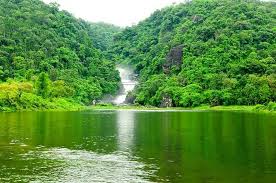
- Madhabpur Lake: A serene lake surrounded by hills, offering beautiful reflections and a peaceful atmosphere.
- Hum Hum Waterfall: A more adventurous trek leads to this impressive waterfall, showcasing the raw natural beauty of the region.
Visiting these natural sites can complement your tea garden experience, providing a well-rounded exploration of Sylhet’s natural attractions.
The Economic and Social Impact
The sylhet tea garden industry is not just about beautiful scenery; it’s a vital economic engine for the region. Tea production provides employment for thousands of people, from the plucking of leaves to the processing and packaging. The estates contribute significantly to the local economy through wages, infrastructure development, and community support programs.
Employment and Livelihoods
Tea gardens are often self-contained communities, providing housing, healthcare, and education for their workers and their families. This integrated approach ensures that the benefits of the industry are shared broadly within the local population. The daily lives of the workers are closely tied to the rhythm of the tea plants.
The tea industry in Sylhet employs an estimated 300,000 people directly, with many more benefiting indirectly. This workforce is crucial for the consistent production of high-quality tea.
- Pluckers: Primarily women, responsible for the delicate hand-picking of tea leaves.
- Factory Workers: Operate the machinery for processing the leaves.
- Supervisors and Managers: Oversee operations and ensure quality control.
- Support Staff: Including drivers, mechanics, and administrative personnel.
The skills involved in tea cultivation and processing are often passed down through generations, maintaining traditional knowledge and expertise. This continuity is a hallmark of the industry’s sustainability.
Community Development Initiatives
Many tea garden owners and management companies actively engage in corporate social responsibility. They invest in building schools, healthcare facilities, and community centers for their workers and surrounding villages. These initiatives play a crucial role in improving the quality of life for the local population.
Statistics from the Bangladesh Tea Association show that estates often invest in sanitation, clean water supply, and electrification for their workers’ settlements. These efforts have a tangible positive impact on the health and well-being of the community.
For instance, some estates have partnered with NGOs to implement healthcare awareness programs and provide access to medical professionals. This commitment extends to educational support, with many estates sponsoring local schools and providing scholarships for promising students. Such efforts highlight the industry’s role as a responsible corporate citizen.
Planning Your Sylhet Tea Garden Visit
A trip to the tea gardens of Sylhet is a memorable experience. Proper planning ensures you make the most of your visit. Here are some practical tips to help you prepare.
Best Time to Visit
The weather in Sylhet is generally pleasant, but certain times of the year offer a more optimal experience for visiting tea gardens.
- Post-Monsoon (October to March): This period is considered the best time to visit. The weather is cool, dry, and sunny, making it ideal for exploring the outdoors. The tea bushes are lush and green after the monsoon rains, and the air is fresh.
- Monsoon Season (June to September): While lush, this season can bring heavy rainfall, which might disrupt outdoor activities and make travel more challenging. However, the landscape is exceptionally vibrant and green during this time.
- Summer (April to May): This can be quite hot and humid, which might be uncomfortable for extensive outdoor exploration.
Getting There and Around
Sylhet is accessible by air, train, and road. The nearest major city is Sylhet city. From there, you can hire a car or take local buses to reach the tea garden areas like Sreemangal and Moulvibazar.
- By Air: Sylhet has an international airport (Osmani International Airport) with regular flights from Dhaka.
- By Train: Trains run from Dhaka to Sylhet, offering a scenic journey.
- By Bus: Numerous bus services operate between Dhaka and Sylhet, providing an economical option.
Once you are in the tea garden regions, hiring a local guide or a private car is the most convenient way to explore different estates and attractions. Many hotels and resorts also offer transportation services for their guests.
Accommodation Options
You’ll find a range of accommodation options in Sylhet, from luxury resorts to budget-friendly guesthouses and homestays. Staying at a tea estate bungalow can offer a unique and immersive experience.
- Tea Estate Guesthouses: Many older tea estates have retained their colonial-era bungalows, offering a charming and historic place to stay. These often come with personalized service and a peaceful environment.
- Hotels and Resorts: Modern hotels and resorts are available in Sreemangal and Moulvibazar, offering standard amenities and comfort.
- Homestays: For a more local experience, consider a homestay in one of the villages surrounding the tea gardens.
Common Myths Debunked
Frequently Asked Questions
Question: Are there guided tours available in the tea gardens
Answer: Yes, most major tea estates offer guided tours that explain the tea cultivation and processing. It is highly recommended to take a tour to understand the entire process.
Question: What is the best way to experience a sylhet tea garden
Answer: The best way is to visit during the cooler months, take a guided tour of the estate and factory, participate in a tea tasting, and immerse yourself in the serene environment.
Question: Can I buy tea directly from the gardens
Answer: Yes, most tea estates have shops where you can purchase fresh, high-quality tea directly. It is a great way to take a piece of Sylhet home with you.
Question: Is it safe to visit the tea gardens
Answer: Yes, Sylhet is generally a safe region for tourists. However, like any travel destination, it is advisable to take standard safety precautions and be aware of your surroundings.
Question: What kind of clothing should I wear when visiting tea gardens
Answer: Lightweight, comfortable clothing is recommended. Comfortable walking shoes are essential as you’ll be walking through the gardens. Bringing a hat and sunscreen is also a good idea.
Conclusion
Visiting a sylhet tea garden offers a serene escape into nature and a journey into the heart of Bangladesh’s rich tea heritage. From the rolling green hills to the intricate process of tea making, the experience is both educational and deeply relaxing. Plan your trip to explore these emerald landscapes and savor the tranquility.