Imagine wanting to study agriculture but not knowing where to start. Many students face this challenge when looking for specialized universities. This post is for you if you’re curious about the academic offerings and campus life at Sylhet Agricultural University.
We will explore its programs, facilities, and the opportunities it provides for students aspiring to contribute to the agricultural sector.
Key Takeaways
- Discover the academic programs offered at Sylhet Agricultural University.
- Learn about the campus facilities and student life.
- Understand the research and innovation happening at the university.
- Explore career prospects for graduates.
- Find out about admission requirements and the application process.
About Sylhet Agricultural University
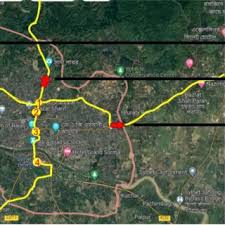
Sylhet Agricultural University (SAU) stands as a prominent institution dedicated to the advancement of agricultural science and technology in Bangladesh. Established with the vision to foster skilled professionals and researchers, SAU plays a vital role in addressing the nation’s agricultural challenges and opportunities. Its location in Sylhet, a region known for its rich agricultural landscape, provides a unique backdrop for practical learning and research.
The university is committed to excellence in education, research, and community service. It aims to produce graduates who are not only knowledgeable in their fields but also equipped with the practical skills and innovative mindset needed to contribute to sustainable agriculture. This focus makes SAU a vital hub for agricultural development in the country.
History and Establishment
The journey of Sylhet Agricultural University began with a clear mandate to enhance agricultural education and research. Its establishment marked a significant step towards modernizing agricultural practices and addressing the evolving needs of the sector. Over the years, the university has grown, expanding its academic offerings and research capabilities.
The foundational period involved setting up essential infrastructure and recruiting qualified faculty. These early efforts laid the groundwork for the university’s reputation as a center of agricultural learning. The growth has been driven by a commitment to academic rigor and a forward-looking approach to agricultural science.
Vision and Mission
The vision of Sylhet Agricultural University is to be a leading institution for agricultural education, research, and development, recognized nationally and internationally. It strives to cultivate competent agricultural scientists and leaders who can drive innovation and sustainability in the food system.
Its mission is to provide high-quality education in agriculture and related disciplines, conduct cutting-edge research to solve agricultural problems, and disseminate knowledge for the socio-economic upliftment of the farming community. SAU is dedicated to fostering an environment of academic excellence, critical thinking, and practical application.
Academic Programs and Departments
Sylhet Agricultural University offers a diverse range of undergraduate and graduate programs designed to cover various facets of agriculture. These programs are structured to provide students with a strong theoretical foundation combined with essential practical experience. Each department focuses on specialized areas, ensuring a comprehensive understanding of agricultural sciences.
The curriculum is regularly updated to reflect the latest advancements in agricultural technology and global best practices. This ensures that graduates are well-prepared for the demands of the modern agricultural industry, research institutions, and policy-making bodies. The university emphasizes hands-on learning through laboratories, field visits, and internships.
Faculty of Agriculture
The Faculty of Agriculture is the cornerstone of Sylhet Agricultural University, housing several departments that address the broad spectrum of agricultural disciplines. This faculty is dedicated to teaching, research, and extension activities that support the agricultural sector.
Students within this faculty gain in-depth knowledge of crop science, soil management, pest control, and agricultural economics. The aim is to equip them with the skills needed for effective farm management, crop production, and agricultural policy development.
Agronomy
The Department of Agronomy focuses on the science of crop production and soil management. It covers aspects like crop physiology, genetics, breeding, soil fertility, soil physics, and environmental management. Students learn about optimizing crop yields, improving soil health, and developing sustainable farming techniques.
This field is crucial for ensuring food security. Agronomists work on developing new crop varieties, improving cultivation practices, and managing natural resources effectively. The department provides a strong foundation for careers in research, extension services, and large-scale agricultural operations.
Horticulture
Horticulture deals with the cultivation of fruits, vegetables, ornamental plants, and plantation crops. The Department of Horticulture at SAU offers comprehensive training in areas such as plant propagation, fruit and vegetable production, landscape design, and post-harvest management. Students gain expertise in improving the quality and yield of horticultural products.
This specialization is vital for the growing demand for nutritious food and aesthetically pleasing landscapes. Graduates are prepared for roles in commercial horticulture, nursery management, research on crop improvement, and urban greening initiatives.
Plant Pathology
Plant Pathology is concerned with the study of diseases that affect plants, their causes, prevention, and control. The Department of Plant Pathology at SAU equips students with knowledge of plant pathogens like fungi, bacteria, viruses, and nematodes. They learn diagnostic techniques and integrated disease management strategies.
Preventing crop loss due to diseases is critical for agricultural productivity. Plant pathologists play a key role in safeguarding crops, ensuring food supply stability, and minimizing economic losses for farmers. Their work often involves field surveys, laboratory diagnostics, and developing resistant plant varieties.
Entomology
The Department of Entomology focuses on the study of insects, including their biology, ecology, and interaction with crops and the environment. Students learn about insect pest management, beneficial insects, and their role in pollination and ecosystems. This includes integrated pest management (IPM) strategies.
Insects can be both beneficial and detrimental to agriculture. Entomologists work to manage pest populations that damage crops while conserving beneficial insects. This knowledge is essential for sustainable agriculture and reducing reliance on chemical pesticides.
Soil Science
Soil Science is dedicated to the study of soil as a natural resource. The Department of Soil Science at SAU covers soil formation, classification, physical and chemical properties, soil fertility, and nutrient management. It also includes soil conservation and environmental protection.
Healthy soil is fundamental to productive agriculture. Soil scientists analyze soil samples, develop fertilizer recommendations, and advise on soil conservation practices to maintain soil health and productivity for future generations. Their work directly impacts crop yields and environmental sustainability.
Agricultural Extension and Rural Development
This department focuses on the dissemination of agricultural knowledge and technologies to farmers and rural communities. It explores methods for effective communication, community organization, and participatory development approaches. Students learn how to bridge the gap between research institutions and the farming community.
Effective agricultural extension is key to the adoption of improved farming practices. This field empowers farmers with the latest information and skills, leading to better livelihoods and agricultural development. Graduates can work with government agencies, NGOs, and international development organizations.
Faculty of Agricultural Engineering and Technology
The Faculty of Agricultural Engineering and Technology at SAU integrates engineering principles with agricultural practices. It aims to develop efficient and sustainable solutions for agricultural operations through mechanization, irrigation, and processing.
This faculty is crucial for modernizing agriculture by introducing advanced machinery and technologies. It focuses on improving efficiency, reducing labor costs, and minimizing environmental impact in farming.
Farm Power and Machinery
This specialization deals with the design, operation, and maintenance of farm machinery. Students learn about tractors, implements, and other equipment used in various agricultural operations, from land preparation to harvesting. The focus is on selecting appropriate machinery for specific tasks and optimizing their use.
Mechanization significantly enhances agricultural productivity and reduces drudgery. Farm power and machinery engineers work on improving the efficiency and sustainability of agricultural operations through better equipment and technology. They also focus on safety and economic viability.
Irrigation and Water Management
This department focuses on efficient water use in agriculture. It covers the design and management of irrigation systems, water resource assessment, and drainage. Students learn about techniques to conserve water, improve irrigation efficiency, and manage water resources sustainably, especially in areas facing water scarcity.
Water is a critical input for crop production. Effective irrigation and water management are essential for maximizing yields and ensuring agricultural resilience, particularly in the face of changing climate patterns. This field also addresses water quality and environmental impacts.
Agricultural Processing and Food Engineering
This area focuses on the processing, preservation, and packaging of agricultural products. Students learn about the engineering principles behind food processing technologies, quality control, and developing value-added products. The aim is to reduce post-harvest losses and enhance the marketability of agricultural commodities.
Processing agricultural products can increase their shelf life, improve nutritional value, and create new market opportunities. Food engineers contribute to food safety standards, develop new food products, and design efficient processing plants. This is vital for the food industry and consumer access to safe, nutritious food.
Other Faculties and Departments
Beyond the core agricultural and engineering faculties, Sylhet Agricultural University may also host other departments that support its broader mission. These can include programs in basic sciences, veterinary medicine, or agribusiness management, providing a well-rounded educational experience.
These additional faculties complement the main agricultural focus by providing essential supporting knowledge or specialized training. They contribute to a more holistic approach to agricultural development, addressing aspects like animal health, business management, and scientific fundamentals.
Campus Life and Facilities
Sylhet Agricultural University offers a vibrant campus environment with modern facilities to support student learning, research, and extracurricular activities. The university prioritizes creating a conducive atmosphere for academic and personal growth. Students have access to resources that enhance their educational experience.
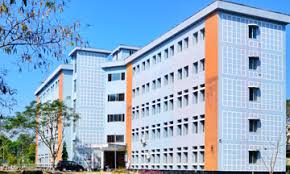
The campus provides a blend of academic buildings, laboratories, libraries, residential halls, and recreational spaces. This integrated approach ensures that students have everything they need for a fulfilling university life. The aim is to foster a community where students can thrive both academically and socially.
Laboratories and Research Facilities
SAU boasts state-of-the-art laboratories equipped with advanced instruments essential for agricultural research and practical training. These facilities support various disciplines, from soil analysis and plant pathology to biotechnology and food processing. Students and faculty engage in cutting-edge research here.
These research facilities are critical for scientific discovery and innovation. They allow students to conduct experiments, analyze data, and develop solutions to agricultural challenges. The university invests in maintaining and upgrading these labs to stay at the forefront of agricultural science.
Specific Lab Examples
For instance, the Soil Testing Laboratory enables precise analysis of soil composition and nutrient levels, guiding crop management decisions. The Plant Breeding and Genetics Laboratory facilitates research into developing improved crop varieties with enhanced yield and disease resistance. The Food Science and Technology Lab allows for product development and quality assessment of agricultural produce.
These specialized labs provide hands-on experience. Students learn to operate sophisticated equipment and interpret complex results. This practical exposure is invaluable for their future careers in research, industry, or academia.
Library and Information Center
The university library is a central hub for academic resources, housing a comprehensive collection of books, journals, research papers, and digital resources. It provides students and faculty with access to a vast amount of information crucial for their studies and research endeavors.
The library also offers quiet study spaces, computer access, and Wi-Fi connectivity, making it an ideal place for learning and research. Librarians are available to assist users in finding relevant materials and utilizing research databases effectively.
Student Housing and Amenities
SAU provides on-campus residential facilities, including dormitories for both male and female students. These halls offer a safe and comfortable living environment, fostering a sense of community among students from diverse backgrounds. Basic amenities like dining facilities, common rooms, and security are provided.
Living on campus allows students to immerse themselves in the university experience, participate in extracurricular activities, and build lasting friendships. It also ensures convenient access to academic facilities and reduces commuting time, enabling students to focus more on their studies.
Extracurricular Activities and Student Clubs
Beyond academics, SAU encourages students to participate in a variety of extracurricular activities and join student clubs. These include cultural clubs, sports teams, debate societies, and volunteer groups, offering opportunities for personal development, leadership skill-building, and social engagement.
These activities help students develop a well-rounded personality. They provide a platform to explore interests outside of their academic field, build teamwork skills, and engage with the wider community. Participation in clubs often leads to lifelong friendships and valuable networking opportunities.
Research and Innovation
Sylhet Agricultural University is committed to advancing agricultural science through robust research and innovation. The university actively promotes research that addresses local and national agricultural challenges, contributing to sustainable development and improved livelihoods for farmers.
Faculty members and students are involved in various research projects, often collaborating with national and international organizations. This focus on research ensures that SAU remains at the forefront of agricultural knowledge creation and application, driving positive change in the sector.
Ongoing Research Projects
The university hosts numerous research projects focusing on areas such as climate-resilient agriculture, crop improvement, soil health management, and sustainable pest control. These projects aim to generate practical solutions that can be implemented by farmers.
For example, one project might investigate drought-tolerant rice varieties suitable for the Sylhet region’s climate. Another could explore organic fertilizer alternatives to enhance soil fertility while minimizing environmental impact. These initiatives directly contribute to the agricultural sector’s resilience and productivity.
Collaboration and Partnerships
SAU actively seeks collaborations with national and international research institutions, government agencies, and private sector companies. These partnerships enhance research capabilities, facilitate knowledge exchange, and provide opportunities for joint projects and funding.
Such collaborations bring diverse perspectives and resources to research endeavors. They help in tackling complex agricultural issues more effectively and ensure that research findings are relevant and applicable to real-world farming scenarios. This networked approach strengthens the overall impact of SAU’s research efforts.
Impact on the Agricultural Sector
The research conducted at Sylhet Agricultural University has a significant impact on the agricultural sector of Bangladesh. Findings from research projects are disseminated through publications, workshops, and extension services, leading to the adoption of improved farming practices.
This contributes to increased crop yields, better quality produce, and enhanced farmer incomes. SAU’s innovation efforts help in making agriculture more sustainable, productive, and profitable, ultimately contributing to the nation’s food security and economic growth.
Admissions and Career Prospects
Prospective students interested in pursuing a career in agriculture can find valuable opportunities at Sylhet Agricultural University. The admission process is designed to select motivated individuals who are passionate about contributing to the agricultural sector. Graduates are well-equipped for diverse career paths.
The university provides guidance and support to students throughout their academic journey, including career counseling and internship placements. This ensures that graduates are prepared to enter the workforce or pursue further studies with confidence.
Admission Requirements
Admission to undergraduate programs typically requires a successful completion of secondary and higher secondary education with specific subject prerequisites, particularly in science. Applicants usually need to pass an entrance examination conducted by the university or a national consortium.
Detailed information regarding specific academic requirements, application deadlines, and the examination format is available on the university’s official website. It is advisable for aspiring students to regularly check this for the most up-to-date information.
Required Academic Qualifications
Candidates must possess a minimum grade point average (GPA) in relevant subjects like Biology, Chemistry, Physics, and Mathematics from recognized educational boards. The exact GPA requirements may vary depending on the program and current university policies.
For example, for the Faculty of Agriculture, a strong foundation in science subjects is essential. These subjects provide the basic scientific understanding required for advanced study in agricultural disciplines. Meeting these academic benchmarks is the first step toward admission.
Career Opportunities for Graduates
Graduates from Sylhet Agricultural University are highly sought after in various sectors. They can find employment in government agricultural departments, research institutions, NGOs, private agribusiness companies, food processing industries, and extension services.
The demand for skilled agricultural professionals is consistently high, driven by the need for food security, sustainable farming practices, and agricultural development. SAU graduates are well-prepared to take on roles such as agronomists, horticulturalists, plant pathologists, entomologists, agricultural engineers, and farm managers.
Examples of Career Paths
A graduate might work as an agronomist for a large agricultural firm, advising on crop production strategies. Another could join a food processing company as a quality control manager, ensuring the safety and standards of products. Some graduates pursue careers in research, contributing to the development of new agricultural technologies and practices.
Others may opt for roles in rural development, working with farming communities to improve their livelihoods. The diverse range of programs offered by SAU ensures that graduates have a wide array of career options to choose from, aligned with their interests and specialization.
Further Studies and Research Opportunities
For those interested in advancing their knowledge, SAU offers postgraduate programs (Masters and PhD) in various agricultural disciplines. These programs provide opportunities for specialized research and in-depth study, preparing individuals for academic careers or advanced research roles.
The university encourages its students to pursue higher education and engage in research. Access to experienced faculty and well-equipped laboratories facilitates successful completion of advanced degrees and impactful research projects.
Common Myths Debunked
Myth 1: Agricultural universities only focus on farming
Reality: While farming is a core aspect, agricultural universities like Sylhet Agricultural University offer a broad range of disciplines. These include agricultural engineering, food science, biotechnology, rural development, and agribusiness management. The focus is on the entire agricultural value chain, from production to market and policy.
Myth 2: Graduates from agricultural universities have limited job options
Reality: The agricultural sector is vast and dynamic. Graduates are needed in food processing, research, government policy, environmental management, and international development. The skills learned are transferable and in high demand for ensuring food security and sustainable development.
Myth 3: Agricultural studies are only for those from farming backgrounds
Reality: Anyone with a passion for science, technology, and contributing to food systems can succeed. SAU welcomes students from diverse backgrounds. The programs provide all necessary knowledge, whether one comes from a farming family or not.
Myth 4: Agricultural research is outdated and not innovative
Reality: Modern agricultural research is highly innovative, incorporating cutting-edge technologies like biotechnology, genetic engineering, precision agriculture, and data analytics. SAU is actively involved in such advancements to address contemporary challenges like climate change and food security.
Frequently Asked Questions
Question: What are the main undergraduate programs offered at Sylhet Agricultural University?
Answer: Sylhet Agricultural University offers undergraduate programs in various fields such as Agronomy, Horticulture, Plant Pathology, Entomology, Soil Science, Agricultural Engineering, and Agricultural Extension and Rural Development, among others.
Question: What is the typical admission process for SAU?
Answer: Admission usually involves a competitive entrance examination after completing secondary and higher secondary education. Specific academic requirements vary by program and are announced by the university.
Question: Does SAU provide hostel facilities for students?
Answer: Yes, Sylhet Agricultural University provides on-campus hostel facilities for both male and female students to ensure a safe and convenient living environment.
Question: Are there opportunities for international students to study at SAU?
Answer: While the primary focus is on domestic students, SAU may have provisions for international students based on university policies and available seats. Prospective international students should inquire directly with the university’s international affairs office.
Question: What kind of research facilities are available at SAU?
Answer: SAU is equipped with modern laboratories for various disciplines like Soil Science, Plant Pathology, Entomology, Biotechnology, and Food Processing, along with a central library and research farms to support academic and research activities.
Conclusion
Sylhet Agricultural University is a key institution for advancing agricultural science and practice in Bangladesh. It offers comprehensive academic programs, modern facilities, and a strong focus on research. Graduates are well-prepared for rewarding careers and contribute to the nation’s agricultural growth.