Have you ever planned a trip to Sylhet and wondered about the best routes or wanted to identify specific attractions? Understanding the geography is key to a great experience. This post will guide you through the essential details of the sylhet division map, helping you discover its administrative areas, key cities, and natural wonders. You will learn how to better plan your travels and appreciate the rich landscape of this beautiful region.
Key Takeaways
- Learn about the administrative districts within Sylhet Division.
- Identify major cities and towns and their locations.
- Discover popular tourist spots and natural attractions.
- Understand the geographical features like rivers and hills.
- Find practical information for planning your visit.
Understanding Sylhet Division Map Structure
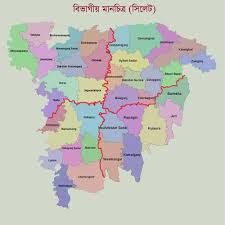
A sylhet division map provides a visual representation of the northeastern part of Bangladesh. This region is characterized by its unique topography, including hills, tea gardens, and significant river systems. Understanding the map’s structure helps in grasping the administrative divisions and geographical layout. It shows how different areas are connected and what unique features define them. This knowledge is invaluable for travelers, researchers, and anyone interested in the region’s geography and administration.
Administrative Districts of Sylhet
Sylhet Division is divided into several districts, each with its own administrative center and unique characteristics. These districts form the primary administrative units, and their boundaries are clearly marked on any detailed sylhet division map. Knowing these districts helps in understanding the political and administrative organization of the region. It is also useful for pinpointing specific areas for travel or business purposes.
- Sylhet District The central district, home to the divisional headquarters.
- Moulvibazar District Known for its extensive tea gardens and biodiversity.
- Habiganj District Features natural gas fields and archaeological sites.
- Sunamganj District Famous for its wetlands, Haors, and unique culture.
Each of these districts has a rich history and unique geographical features. For instance, Sunamganj is particularly renowned for its vast water bodies, known as Haors, which transform the landscape dramatically between the dry and monsoon seasons. Moulvibazar, often called the “tea capital” of Bangladesh, boasts lush green tea estates that stretch as far as the eye can see. This diversity is a key element when exploring the sylhet division map.
Major Cities and Towns
Key cities and towns act as hubs within each district. These urban centers serve as gateways for exploration and are often points of reference on any map. Identifying these places on a sylhet division map helps in understanding transportation networks and the distribution of population and economic activity. They are where most services, markets, and transportation links are concentrated, making them essential for any visitor.
- Sylhet City The largest city and the main economic and cultural center.
- Maulvibazar Town The administrative center of Moulvibazar District.
- Habiganj Town The administrative center of Habiganj District.
- Sunamganj Town The administrative center of Sunamganj District.
These cities are not just administrative points; they are vibrant places with their own unique character. Sylhet City, for example, is famous for its Sufi shrines and its bustling bazaars. Maulvibazar Town provides access to the scenic tea estates surrounding it. Habiganj Town is a point of access to natural resources and historical sites. Sunamganj Town serves as the entry point to the unique aquatic ecosystems of its district. Mapping these out helps in planning efficient travel routes.
Exploring Tourist Attractions on the Map
The sylhet division map is also a guide to the region’s numerous tourist attractions. From natural landscapes to historical sites, Sylhet offers a diverse range of experiences. Pinpointing these locations on a map makes planning a visit much easier and more effective. It allows you to visualize the distances between places and the best ways to reach them.
Natural Wonders and Landscapes
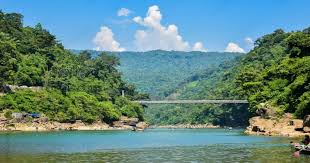
Sylhet is blessed with breathtaking natural beauty. Its geography includes rolling hills, dense forests, and vast river systems. The map highlights these features, showing where to find places like the Khasi-Jaintia hills bordering India, the numerous tea gardens, and the unique Haor ecosystems.
- Tea Gardens Many areas, especially in Moulvibazar, are covered in picturesque tea estates.
- Ratargul Swamp Forest A unique freshwater swamp forest, accessible by boat.
- Jaflong and Bichhanakandi Known for their scenic beauty with clear rivers and stone collections.
- Lawachara National Park A biodiversity hotspot offering trekking opportunities.
These natural attractions offer incredible opportunities for nature lovers and photographers. Ratargul, for instance, is a rare gem where you can boat through submerged trees, offering a truly immersive experience. Jaflong is famous for its stark beauty, with the clear waters of the Piende River flowing over a bed of colorful stones. Lawachara National Park is a sanctuary for diverse flora and fauna, including the endangered Hoolock Gibbon. Seeing these on a map helps in grouping visits geographically.
Historical and Cultural Sites
Beyond its natural splendor, Sylhet is rich in history and culture. The map can guide you to significant historical sites, including ancient shrines, mosques, and colonial-era structures. These places offer insights into the region’s past and its religious and cultural heritage.
- Shah Jalal Shrine A major pilgrimage site in Sylhet City.
- Shrine of Shah Paran Another important Sufi shrine, revered by many.
- Srimangal Known as the “tea capital,” offering a glimpse into the tea industry’s history.
- Khadimnagar National Park Features natural beauty and proximity to tea estates.
The Sufi shrines are central to the spiritual life of Sylhet, drawing visitors from far and wide. Shah Jalal’s shrine is particularly significant and represents centuries of spiritual tradition. Srimangal offers not just natural beauty but also the experience of visiting tea factories and learning about the tea-making process, which has a long historical connection to the region. These sites, when plotted on a sylhet division map, show the cultural heart of the division.
Navigating Transportation and Connectivity
A good sylhet division map is essential for planning transportation and understanding connectivity within the region. Sylhet is relatively well-connected, with a major airport, rail lines, and a network of roads. Understanding these links helps in devising efficient travel plans.
Road Networks and Travel
The road network connects the major cities and towns. Highways like the N2 highway link Sylhet to other parts of Bangladesh. Smaller roads branch out to reach more remote tourist spots and villages. The condition of these roads can vary, especially in rural areas or during the monsoon season.
- Main Highways Major routes like the Sylhet-Tamabil road offer access to border areas and natural attractions.
- Local Roads These connect smaller towns and villages to the main network.
- Vehicle Types Buses are common for inter-city travel, while CNG auto-rickshaws and local taxis are used within cities.
Planning your route on a map helps you estimate travel times and choose the most suitable mode of transport. For instance, reaching places like Jaflong from Sylhet City involves using the main highway and then local roads, which can be bumpy in places. It’s wise to check local conditions if traveling during the rainy season, as some routes might become challenging. The map acts as your primary guide for this planning.
Rail and Air Connectivity
Sylhet has its own international airport, Osmani International Airport, making it easily accessible from domestic and international locations. The rail network also connects Sylhet to major cities like Dhaka, providing a comfortable alternative to road travel.
- Osmani International Airport Located near Sylhet City, it facilitates air travel.
- Sylhet Railway Station Connects the division to the national rail network.
- Other Stations Smaller stations serve towns like Fenchuganj and Kulaura.
The availability of air and rail travel significantly eases access to Sylhet. Travelers can choose the most convenient option based on their budget and time constraints. For example, a flight from Dhaka to Sylhet takes less than an hour, whereas a train journey takes several hours but offers scenic views. Knowing these options on a map helps in making informed travel decisions.
Geographical Features Explained
The sylhet division map reveals a landscape shaped by distinct geographical features, primarily its rivers and highlands. These elements not only define the visual character of the region but also influence its climate, agriculture, and way of life.
Rivers and Water Bodies
Sylhet is crisscrossed by numerous rivers, many of which originate in the hills of India. The Surma River and Kushiyara River are two of the most significant, flowing through the heart of the division. The extensive network of rivers and wetlands, particularly the Haors in Sunamganj, creates unique aquatic environments.
- Surma River A major river flowing through Sylhet City, vital for transportation and livelihood.
- Kushiyara River Another key river, forming important tributaries.
- Haors of Sunamganj Vast seasonal wetlands that are rich in biodiversity and fisheries.
These water bodies are not just geographical features; they are lifelines for the region. The Haors, in particular, are a spectacle of nature. During the dry season, they transform into vast agricultural fields and grazing lands, only to be submerged during the monsoon, becoming enormous lakes teeming with fish. This cycle dictates the lives of the people living in these areas. Understanding these river systems on a map is key to appreciating the hydrology of Sylhet.
Hills and Highland Areas
The northern and eastern parts of Sylhet Division are characterized by hills, which are part of the greater Khasi-Jaintia and Tripura hill ranges. These highlands, dotted with lush tea gardens and forests, offer cooler climates and stunning vistas.
- Khasi-Jaintia Hills Form the northern border and are known for their rainfall and unique ecosystems.
- Tea Estates Cover large swathes of the hilly terrain, especially in Moulvibazar.
- Forest Reserves Areas like Lawachara National Park are situated in these highland regions.
The highlands influence weather patterns and provide a distinct geographical contrast to the riverine plains. They are also crucial for water management, acting as catchments for the rivers that flow down. The beauty of these hilly landscapes is a major draw for tourism, offering opportunities for hiking and enjoying panoramic views. A sylhet division map clearly delineates these hilly regions.
Using a Sylhet Division Map for Planning
A well-detailed sylhet division map is an indispensable tool for anyone planning a visit or seeking to understand the region better. It consolidates geographical, administrative, and tourist information into a single, easily interpretable format.
Practical Travel Planning
When planning a trip, a map helps you:
- Outline Itineraries Visualize the locations of attractions and plan a logical route.
- Estimate Travel Times Gauge distances between destinations to allocate sufficient time for travel.
- Identify Accommodation Options Locate hotels and guesthouses in convenient areas.
- Find Essential Services Pinpoint hospitals, banks, and police stations.
For example, if you wish to visit Ratargul Swamp Forest and Jaflong within the same day, a map would show you the relative positions and suggest the most efficient order of visits, likely requiring a private vehicle due to road access. It helps avoid backtracking and makes the most of your time.
Understanding Local Geography
Beyond travel, a map helps in comprehending the local context:
- Regional Differences See how geography varies across districts, from the Haors of Sunamganj to the hills of Moulvibazar.
- Resource Distribution Understand where natural resources like gas fields (in Habiganj) or tea plantations are concentrated.
- Cultural Zones Identify areas with distinct cultural practices influenced by geography.
Learning about these geographical nuances enhances one’s appreciation for the region’s diversity and the challenges and opportunities it presents to its residents.
Common Myths Debunked
Myth 1: Sylhet Division is solely characterized by tea gardens.
While tea gardens are a prominent feature, especially in Moulvibazar, Sylhet Division’s geography is far more diverse. The division includes vast wetlands (Haors), dense forests, significant river systems, and hilly terrains. This variety creates a rich tapestry of landscapes beyond just agricultural plantations.
Myth 2: Travel within Sylhet Division is always difficult due to poor infrastructure.
While some remote areas may have challenging road conditions, the main cities and tourist destinations are generally well-connected by a network of highways and railways. Major attractions are accessible with appropriate planning, and improvements to infrastructure are ongoing.
Myth 3: All of Sylhet Division experiences heavy rainfall year-round.
Sylhet receives significant rainfall, particularly during the monsoon season (June to October). However, there are distinct dry seasons when the weather is much more pleasant. The rainfall patterns can also vary between the highland and lowland areas.
Myth 4: Sylhet Division map information is hard to find.
Detailed Sylhet division map information is readily available through various online map services, government geographical surveys, and travel guides. These resources provide comprehensive details about administrative boundaries, transportation, and points of interest.
Frequently Asked Questions
Question: What are the main rivers in Sylhet Division?
Answer: The main rivers are the Surma River and the Kushiyara River. These rivers are vital for the region’s ecology and economy.
Question: Which district is known for its tea gardens?
Answer: Moulvibazar District is widely known as the tea capital of Bangladesh due to its numerous tea estates.
Question: Is it easy to travel between Sylhet City and Sunamganj Town?
Answer: Yes, it is possible to travel between Sylhet City and Sunamganj Town by road. The journey takes a few hours and offers scenic views, especially of rural landscapes and water bodies.
Question: What kind of natural attractions can I find in Sylhet?
Answer: You can find diverse natural attractions including swamp forests like Ratargul, waterfalls at Jaflong and Bichhanakandi, national parks like Lawachara, and the unique Haor ecosystems in Sunamganj.
Question: Does the Sylhet division map show international borders?
Answer: Yes, a detailed Sylhet division map typically shows its international border with India, particularly the border shared with Meghalaya and Assam states.
Conclusion
A thorough exploration of the sylhet division map reveals a region rich in both natural beauty and cultural heritage. It shows administrative districts, major cities, and vital transportation links. Understanding these aspects helps you plan your travels effectively. From lush tea gardens and dense forests to vast wetlands and historical shrines, Sylhet offers diverse experiences. Using a map is your best guide to discovering all that this beautiful division has to offer.