Have you ever dreamt of escaping to a place of stunning natural beauty and rich cultural heritage? For many, that dream includes the enchanting landscapes of Sylhet, Bangladesh. It’s a region that offers everything from misty hills and tea gardens to ancient shrines and vibrant bazaars. This post will guide you through experiencing your sylhet dream to the fullest, helping you plan the perfect trip and discover hidden gems. You will learn about the best places to visit, essential travel tips, and what makes Sylhet a truly unforgettable destination.
Key Takeaways
- Discover the must-visit natural attractions like Jaflong and Ratargul Swamp Forest.
- Learn about the cultural significance of Shahjalal’s Shrine and its surroundings.
- Get practical advice on the best times to visit and how to get around Sylhet.
- Find tips for enjoying the famous Sylhet tea gardens and local cuisine.
- Understand how to plan your ideal sylhet dream itinerary for a memorable experience.
Planning Your Sylhet Dream Adventure
Embarking on a trip to Sylhet is an exciting prospect for many travelers seeking a blend of nature and culture. This region of Bangladesh is famed for its emerald-green tea estates, cascading waterfalls, and serene haors (wetlands). Planning is key to making sure your visit is smooth and enjoyable, allowing you to fully immerse yourself in the unique charm of Sylhet.
This section will cover the essential steps to take before you go, ensuring your sylhet dream vacation is well-prepared.
Best Time to Visit Sylhet
The climate in Sylhet significantly influences the travel experience. The region experiences distinct seasons, each offering a different perspective. Understanding these weather patterns helps in packing appropriately and planning activities.
The ideal time to visit Sylhet is generally during the dry season.
- The dry season runs from approximately October to March. During these months, the weather is pleasant with lower humidity and less rainfall. This period is perfect for outdoor activities like exploring tea gardens, visiting waterfalls, and taking boat rides. The skies are often clear, offering beautiful views of the landscape.
- The monsoon season, from April to September, brings heavy rainfall. While this period can be lush and vibrant, it may disrupt travel plans and limit outdoor excursions. Some roads might become inaccessible, and boat travel on haors can be challenging due to strong currents. However, for those who enjoy dramatic natural beauty and fewer crowds, the monsoon can still be rewarding.
- Shoulder seasons, like late September and early October, can offer a balance. You might still experience some rain, but the landscapes are incredibly green, and the tourist crowds are thinner than in peak dry season. Prices for accommodation and transport might also be more affordable during these times.
Based on historical weather data, the average temperature in Sylhet during the dry season ranges from 20°C to 30°C (68°F to 86°F). Rainfall during the monsoon can exceed 300mm per month in July and August. Choosing the right time ensures your sylhet dream is filled with sunshine and clear skies for exploration.
Getting To and Around Sylhet
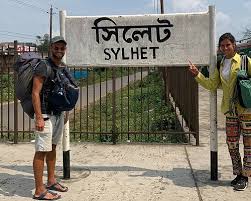
Sylhet is accessible by air, train, and bus. Sylhet Osmani International Airport (ZYL) connects the city to major domestic and some international hubs. For those preferring a scenic overland journey, the railway offers a comfortable option from Dhaka and other major cities.
Numerous bus services also operate daily, providing a more budget-friendly way to reach Sylhet.
Once you are in Sylhet city or its surrounding districts, getting around can be an adventure in itself. Auto-rickshaws and cycle rickshaws are common for short distances within urban areas. For longer trips to tourist spots like Jaflong or Tamabil, renting a car with a driver or hiring a private taxi is the most convenient option.
Local buses are available but can be crowded and less predictable. Boat trips are essential for exploring areas like Ratargul Swamp Forest and the vast haors.
Booking transportation in advance is recommended, especially during peak tourist seasons. Consider the type of transport that best suits your itinerary and budget. For instance, a shared jeep or microbus might be a good compromise between cost and comfort for group travel to attractions outside the city.
This ensures your sylhet dream can be experienced without logistical worries.
Must-Visit Natural Wonders
Sylhet is a treasure trove of natural beauty, offering landscapes that captivate the senses and soothe the soul. From the vast, watery expanses of its wetlands to the striking rock formations along its borders, these natural attractions are central to the sylhet dream experience for many visitors. Exploring these sites provides a deep connection with the region’s stunning geography.
Jaflong Zero Point
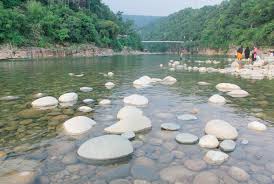
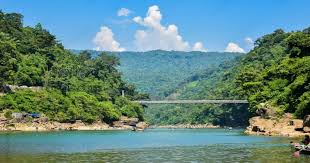
Located at the border of Bangladesh and India, Jaflong is famous for its unique natural resources and stunning scenery. The area is renowned for its extensive stone collection, where stones are collected from the rivers and used for construction. The sight of boatmen collecting stones and the clear river water flowing from the Meghalaya hills of India create a picturesque panorama.
- The journey to Jaflong itself is scenic, passing through lush green countryside and small villages. The main attraction is the Dauki River, which flows from India. You can hire a boat to explore the river and witness the stone collection process up close. The sounds of the water and the cool breeze make for a refreshing experience.
- The area is also known for its unique ecosystem. The presence of numerous small waterfalls and the surrounding hills contribute to its scenic beauty. Be prepared for crowds, especially on weekends and holidays, as Jaflong is a very popular destination for both locals and tourists.
- When visiting Jaflong, wear comfortable shoes suitable for walking on uneven terrain. It is also advisable to carry drinking water and some snacks, as facilities can be limited. The vibrant atmosphere, coupled with the natural landscape, makes it a highlight of any sylhet dream itinerary.
The geological significance of Jaflong lies in its position near the foothills of the Himalayas, contributing to the rich mineral deposits found in the riverbeds. These deposits are continuously replenished by the flow of the Dauki River, making stone collection a perpetual activity.
Ratargul Swamp Forest
Ratargul is the only swamp forest in Bangladesh, a truly unique ecosystem that offers a magical experience. During the monsoon season, a large portion of the forest is submerged, creating a surreal landscape. Boat rides through the waterlogged trees are the primary way to explore this enchanting place.
The forest is home to a variety of flora and fauna. Various tree species adapted to living in water, such as Koroch and Sundari trees, dominate the landscape. Birdwatching can be a rewarding activity here, as the forest attracts numerous migratory and resident birds.
The quiet stillness of the water, broken only by the gentle sounds of nature, adds to its tranquility.
- To visit Ratargul, you typically hire a boat from the nearby Gowainghat market. The boat journey itself is an integral part of the experience, taking you through narrow channels surrounded by lush greenery and aquatic plants. The sight of the water reflecting the sky and the trees creates a dreamlike setting.
- The best time to visit is after the monsoon when the water level is still high, allowing for full exploration by boat. However, even during drier periods, parts of the forest remain accessible. It is essential to go with a local guide who knows the area well and can ensure your safety.
- The unique environment of Ratargul is a testament to nature’s adaptability. The forest plays a vital role in the local ecosystem, helping to regulate water levels and provide a habitat for diverse species. Experiencing this rare natural wonder is a significant part of realizing the sylhet dream for many nature lovers.
The biodiversity of Ratargul is significant. Studies have documented over 20 species of trees, 17 species of shrubs, and numerous herbs and medicinal plants. Its ecological importance extends to flood control and providing a nursery ground for fish.
Sreemangal’s Tea Gardens
Sreemangal, often called the “Tea Capital of Bangladesh,” is a must-visit for anyone dreaming of lush greenery and serene landscapes. This region is dotted with vast, rolling tea gardens that stretch as far as the eye can see, offering breathtaking views and a chance to learn about tea cultivation. It’s an integral part of the sylhet dream for those who appreciate nature and agriculture.
- The most famous among these is the Malnicherra Tea Estate, one of the oldest and largest in the region. You can walk through the manicured rows of tea bushes, breathe in the fresh, earthy scent, and witness the daily activities of the tea pickers, often dressed in colorful attire. The orderly patterns of the plantations create a visually stunning effect.
- Visiting a tea processing factory offers a fascinating glimpse into how tea leaves are transformed into the beverage we enjoy. You can learn about the different stages of processing, from withering and rolling to drying and sorting. Many gardens offer guided tours and tastings of their fresh teas.
- Beyond the tea gardens, Sreemangal is also home to other natural attractions like the Lawachara National Park, which is renowned for its biodiversity, including the rare Hoolock Gibbon. The combination of tea plantations and natural forests makes Sreemangal a truly idyllic destination.
The cultivation of tea in Sylhet dates back to the British colonial era. The fertile soil and favorable climate of the region are ideal for growing high-quality tea. Sylhet contributes a significant portion of Bangladesh’s total tea production, making it an economically important area.
Madhabpur Lake
Madhabpur Lake is a serene and beautiful spot located within the Madhabpur Tea Garden in Sreemangal. This picturesque lake is surrounded by the vibrant green tea plants, creating a postcard-perfect scene. It’s a peaceful retreat, ideal for photography and quiet contemplation.
The lake’s calm waters often reflect the surrounding tea bushes and the sky, adding to its charm. You can enjoy a leisurely walk around the lake, taking in the fresh air and the tranquility. The area is also known for its diverse birdlife, making it attractive for birdwatchers.
- The best time to visit Madhabpur Lake is during the early morning or late afternoon when the light is soft and the atmosphere is most peaceful. The surrounding tea garden also offers opportunities for exploration, with well-maintained paths winding through the plantations.
- The lake is relatively small but incredibly scenic. It’s a popular spot for couples and families seeking a quiet escape from the bustling city. The presence of colorful lotuses in certain seasons adds an extra layer of beauty to the water.
- Madhabpur Lake is easily accessible from Sreemangal town, making it a convenient addition to your itinerary. The combination of the tranquil lake and the expansive tea gardens encapsulates the serene natural beauty that is a hallmark of the sylhet dream.
The establishment of tea gardens like Madhabpur represents a significant part of Sylhet’s agricultural heritage and its economic development. These gardens are not just sources of income but also contribute to the region’s unique aesthetic appeal.
Cultural and Historical Significance
Sylhet’s appeal extends beyond its natural landscapes. The region is steeped in history and boasts significant cultural landmarks that draw visitors seeking a deeper connection with the area’s heritage. These sites offer insights into centuries of religious devotion, historical events, and local traditions, adding another dimension to the sylhet dream.
Shahjalal’s Shrine (Dargah Sharif)
The Dargah Sharif of Hazrat Shahjalal, a revered Sufi saint, is one of the most important religious sites in Bangladesh. Located in Sylhet city, it attracts thousands of devotees and visitors daily from all walks of life, irrespective of their faith. The shrine complex is a place of immense spiritual significance and architectural beauty.
- Hazrat Shahjalal is credited with spreading Islam in the region in the 14th century. His shrine is a testament to his enduring legacy and influence. Visitors often offer prayers, light candles, and make wishes at the tomb. The atmosphere is one of deep devotion and tranquility.
- Adjacent to the shrine, you will find the famous Shahjalal’s Dighi, a large tank filled with hundreds of turtles, known as “Ghazir Paata.” These turtles are considered sacred and are a major attraction. Feeding them is a common practice among visitors, though it’s important to do so responsibly and with food approved by caretakers.
- The complex also features a mosque and a museum showcasing historical artifacts related to the saint and the region. Exploring the Dargah Sharif offers a profound cultural and spiritual experience, a key element for those wanting to understand the heart of Sylhet’s heritage.
The reverence for Hazrat Shahjalal extends beyond religious circles. His teachings emphasized peace, tolerance, and community, which continue to resonate with people. The Dargah Sharif serves as a hub for spiritual guidance and community gathering.
Chandnighat and Sylhet City Exploration
Chandnighat is a vibrant area along the Surma River in Sylhet city, known for its bustling river port and local markets. It’s a place where you can witness the daily life of the city unfolding by the water. Exploring Chandnighat offers a taste of local commerce and culture.
From Chandnighat, you can hire boats for short rides on the Surma River, offering views of the city skyline and the surrounding banks. The nearby bazaars are great for experiencing local street food, shopping for traditional crafts, and observing the energetic pace of urban life in Sylhet. It’s a lively introduction to the city’s pulse.
- Walking through the markets near Chandnighat, you’ll find a variety of goods, from textiles and handicrafts to spices and fresh produce. The sounds of vendors calling out, the aroma of local delicacies, and the colorful displays create a lively sensory experience.
- Sylhet city itself has several other points of interest, including the Sylhet Museum, which houses a collection of regional artifacts, and the historic Government Alia Madrasah. These sites provide further context to the area’s past and its evolution.
- Experiencing Chandnighat and exploring Sylhet city allows visitors to connect with the everyday life and heritage of the region, making their sylhet dream feel more authentic and grounded in local reality.
The Surma River has historically been a vital artery for trade and transportation in Sylhet, connecting it to other parts of the region and beyond. The activity at Chandnighat reflects its continued importance in the local economy and daily life.
Culinary Delights of Sylhet
No travel experience is complete without savoring the local cuisine, and Sylhet offers a delightful array of flavors that reflect its unique cultural influences. The region is particularly famous for its rich and aromatic dishes, often incorporating indigenous spices and fresh ingredients. Exploring the food scene is an essential part of any sylhet dream.
Signature Sylheti Dishes
Sylheti cuisine is known for its robust flavors, often characterized by a generous use of mustard oil, garlic, ginger, and various spices. The region’s proximity to India and its historical trade routes have influenced its culinary traditions.
- One of the most iconic dishes is Sylheti style chicken curry, often slow-cooked with a blend of spices that gives it a distinctive aroma and taste. It’s typically served with rice or local flatbreads.
- Another must-try is the local fish curry, prepared using fresh fish caught from the region’s rivers and haors. The preparation often involves a tangy base, sometimes with the addition of local fruits like ‘loki’ or ‘amra’.
- For those with a sweet tooth, ‘Pitha’ (rice cakes) are a popular choice, with various types made from rice flour, coconut, and jaggery. ‘Khaja’ and ‘Nimki’ are also popular sweet and savory snacks.
The use of local ingredients is paramount. For example, Sylhet is known for producing high-quality teas, which are not only consumed as beverages but also incorporated into some desserts and culinary preparations. The availability of fresh produce from the surrounding rural areas ensures that Sylheti dishes are always vibrant and flavorful.
Experiencing Local Food Culture
To truly immerse yourself in Sylhet’s food culture, venture beyond formal restaurants. Local eateries, roadside stalls, and food markets offer the most authentic flavors and experiences. Don’t be afraid to try local specialties, even if they seem unfamiliar.
A significant part of Sylheti food culture involves communal dining. Many dishes are meant to be shared, fostering a sense of togetherness. Engaging with local vendors and restaurant owners can often lead to recommendations for hidden culinary gems.
- Visit local tea stalls, known as ‘cha dokans,’ to sample the famous Sylheti tea. These stalls are often social hubs where people gather to chat, relax, and enjoy a cup of tea, sometimes accompanied by local snacks.
- Explore the food stalls at markets like those near Chandnighat. Here, you can find a variety of street food, from spicy chaat to freshly fried snacks and local sweets. It’s a great way to taste diverse flavors on a budget.
- For an authentic dining experience, try to find restaurants that specialize in traditional Sylheti thalis, which offer a selection of popular dishes in one meal. This allows you to sample multiple flavors and textures.
The Sylheti people are known for their hospitality, and sharing a meal is often a central part of welcoming guests. Embracing this aspect of their culture will undoubtedly enhance your sylhet dream by providing genuine connections and memorable culinary moments.
Common Myths Debunked
Myth 1: Sylhet is only about tea gardens.
While Sylhet is indeed famous for its extensive and beautiful tea gardens, this is just one facet of its appeal. The region boasts incredible natural diversity, including the unique Ratargul Swamp Forest, the stone-laden rivers of Jaflong, and lush national parks. Furthermore, its rich cultural heritage, exemplified by the revered Shahjalal’s Shrine, and vibrant city life offer much more than just tea plantations.
Myth 2: Traveling in Sylhet is difficult and unsafe.
Sylhet is generally considered a safe destination for tourists. While it is a developing region, local authorities and communities are welcoming to visitors. Standard travel precautions are sufficient.
For exploring remote natural areas, hiring local guides is always recommended for both safety and a richer experience. Transportation options are varied, from comfortable private cars to local buses, making travel manageable.
Myth 3: Sylheti cuisine is too spicy for foreign palates.
While Sylheti cuisine can be flavorful and aromatic, it is not overwhelmingly spicy for everyone. Many dishes are prepared with a balanced blend of spices. Restaurants and local eateries are usually accommodating and can adjust the spice levels upon request.
Exploring the diverse range of dishes, including milder curries and savory snacks, will reveal the breadth of Sylheti culinary traditions.
Myth 4: Sylhet is only an adventure destination.
While Sylhet offers plenty of adventure for nature enthusiasts, it also provides a deeply spiritual and culturally enriching experience. The Dargah Sharif is a major pilgrimage site, and exploring its serene grounds offers a profound sense of peace. The region’s historical sites and the opportunity to engage with local traditions also cater to those interested in culture and history, not just adventure.
Frequently Asked Questions
Question: What is the best way to experience the Sylhet tea gardens?
Answer: The best way is to visit Sreemangal, known as the Tea Capital of Bangladesh. You can walk through the vast tea estates like Malnicherra, visit a tea processing factory to learn about tea production, and enjoy the scenic beauty and fresh air.
Question: Are there any unique wildlife encounters in Sylhet?
Answer: Yes, Ratargul Swamp Forest is home to various tree species and attracts diverse birdlife. In Lawachara National Park, you might spot the rare Hoolock Gibbon. Many areas are also rich in aquatic life, especially in the haors.
Question: How can I get around Sylhet city?
Answer: Within Sylhet city, auto-rickshaws and cycle rickshaws are common for short distances. For longer trips to attractions outside the city, renting a car with a driver or hiring a private taxi is the most convenient option.
Question: What kind of souvenirs can I buy in Sylhet?
Answer: Popular souvenirs include local tea, traditional Sylheti handicrafts, woven textiles, and locally made sweets and snacks. You can find these items in local markets and shops throughout the city and in tourist areas.
Question: Is it recommended to hire a guide in Sylhet?
Answer: For exploring natural attractions like Ratargul Swamp Forest or remote areas, hiring a local guide is highly recommended. They have invaluable knowledge of the terrain, local customs, and can ensure your safety and enhance your experience.
Wrap Up
Your sylhet dream is within reach, offering a blend of breathtaking natural beauty, rich cultural heritage, and unique culinary experiences. From the misty tea gardens of Sreemangal to the tranquil waters of Ratargul and the spiritual aura of Shahjalal’s Shrine, Sylhet promises a journey that rejuvenates the soul. Plan your visit to embrace its diverse offerings for an unforgettable adventure.