Have you ever felt a pull towards places that offer both natural beauty and rich cultural heritage? Imagine standing amidst lush tea gardens, breathing in the crisp air, and feeling the warmth of a welcoming community. This is just a glimpse of what awaits you in the sylhet district. This post will guide you through its most captivating attractions, historical sites, and unique experiences. You’ll discover why Sylhet is a must-visit destination. Get ready to plan your perfect trip.
Key Takeaways
- Discover the stunning natural landscapes of Sylhet including tea gardens and waterfalls.
- Explore significant historical and religious sites that tell the story of the region.
- Learn about the vibrant culture and traditions of the people in Sylhet.
- Find practical tips for traveling to and around this beautiful district.
- Understand why Sylhet is a unique and memorable travel destination.
Discovering Sylhet District’s Natural Beauty
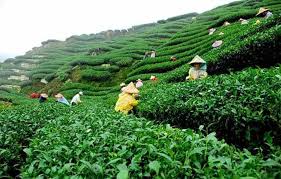
The natural scenery of Sylhet district is truly breathtaking. It is often called the “land of two leaves and a bud” due to its vast tea plantations. These emerald green estates stretch as far as the eye can see, creating a picturesque landscape. Walking through these gardens offers a sense of peace and tranquility. The cool breeze and the aroma of tea leaves make it a refreshing experience.
Beyond the tea gardens, Sylhet is blessed with numerous waterfalls and rolling hills. Jaflong is a famous spot known for its stone quarries and the clear waters of the Sari River. Bichhanakandi offers a unique landscape where the river meets the hills, creating a dramatic view. Ratargul Swamp Forest is another gem, a rare freshwater swamp forest where trees grow submerged in water. Exploring these natural wonders provides a deep connection with nature.
- The expansive tea gardens are a signature feature of Sylhet, offering scenic views and a chance to learn about tea production.
- Waterfalls like those in Jaflong provide stunning sights and opportunities for adventure and exploration.
- Unique ecosystems like the Ratargul Swamp Forest showcase biodiversity and offer a different kind of natural beauty.
One of the most iconic natural attractions is the Sylhet tea gardens. These estates, some of the largest in the world, are meticulously maintained. They provide a vital part of the region’s economy and identity. Visitors can often arrange tours to learn about the tea-making process, from plucking the leaves to the final brew. The sheer scale and beauty of these gardens are a sight to behold.
Exploring the Waterfalls and Hills
Sylhet’s topography lends itself to spectacular waterfalls. The most visited include those in Jaflong and near Sylhet city. These falls are often surrounded by lush green hills and rocky terrain, making them ideal for hiking and photography. The sound of cascading water is a soothing melody, and the cool mist provides a welcome respite from the heat.
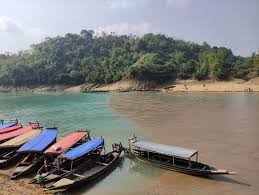
Bichhanakandi is another popular destination, famous for its clear river and the surrounding hills. The area is also known for its stone collection. Boat rides on the river offer panoramic views of the landscape. The confluence of the river and the hills creates a stunning natural amphitheater.
The Ratargul Swamp Forest is a unique ecological zone. It’s one of the few freshwater swamp forests in Bangladesh. During the monsoon season, much of the forest is submerged. Visitors can take boat rides through the flooded forest, observing the unique flora and fauna adapted to this environment. The towering trees emerging from the water create an almost surreal atmosphere.
The Mystique of Ratargul Swamp Forest
Ratargul Swamp Forest is a UNESCO World Heritage tentative site. Its ecosystem is distinct. Many species of fish, reptiles, and birds call this forest home. The trees here have adapted to being submerged for months at a time. This creates a unique visual experience for visitors.
A boat trip through Ratargul is a must-do. You can paddle or hire a local boatman to guide you. The silence of the forest, broken only by the sounds of nature, is profound. It’s a place to disconnect and immerse yourself in nature’s marvels. The sight of water lilies blooming and the reflection of trees in the still water are unforgettable.
- Ratargul Swamp Forest offers a unique ecosystem for nature lovers and bird watchers.
- Boat tours are the best way to experience the submerged forest and its wildlife.
- The forest’s biodiversity is a testament to the ecological richness of the Sylhet region.
Historical and Spiritual Significance of Sylhet
Sylhet district is not only known for its natural beauty but also for its deep historical and spiritual roots. The region has been a significant center for Islamic scholarship and Sufism for centuries. This has left an indelible mark on its cultural landscape, with numerous shrines and mosques attracting pilgrims from across the country and beyond.
The most revered site is the Shrine of Hazrat Shah Jalal (R.A.). He was a prominent Sufi saint who played a crucial role in spreading Islam in the region. His shrine is a bustling center of activity, with devotees coming to offer prayers and seek blessings. The architecture of the shrine is simple yet captivating, reflecting its historical importance.
Another important figure is Hazrat Shah Paran (R.A.), a disciple of Shah Jalal. His shrine is also located in Sylhet and is a place of pilgrimage. The presence of these Sufi saints has shaped the spiritual ethos of Sylhet, making it a unique destination for those interested in history and faith.
The Legacy of Hazrat Shah Jalal
Hazrat Shah Jalal (R.A.) arrived in Sylhet in the 14th century. He brought Islam and Sufi traditions to the area. His teachings emphasized love, peace, and tolerance. His influence extended far beyond religious matters, impacting the social and cultural fabric of the region.
The dargah complex of Hazrat Shah Jalal is a place of immense spiritual significance. It houses his tomb and a mosque. Thousands of people visit daily to pay their respects. The atmosphere is one of deep devotion and reverence. The complex also features a pond with sacred fish, believed to be protected by the saint.
- The Shrine of Hazrat Shah Jalal is a major religious landmark attracting many visitors.
- His legacy as a Sufi saint has deeply influenced the spiritual and cultural identity of Sylhet.
- The dargah complex is a place of worship and a historical site showcasing traditional architecture.
Exploring Other Historical Sites
Apart from the Sufi shrines, Sylhet boasts other historical structures. The Sylhet Jame Mosque is an old mosque with a distinctive architectural style. It has stood for centuries, witnessing the ebb and flow of history. The Shahi Eidgah, an open-air venue for Eid prayers, is another significant historical site. It dates back to the Mughal era.
These sites offer a glimpse into the past. They tell stories of rulers, scholars, and common people who shaped Sylhet’s destiny. Exploring them provides a deeper appreciation for the region’s rich heritage. The architectural details and the sheer age of these structures are awe-inspiring.
A notable historical aspect of Sylhet is its connection to the tea industry’s colonial past. Many of the old colonial bungalows and bungalows associated with tea estates still stand. They offer a look into the British era and the development of tea cultivation. These structures often blend colonial and local architectural styles.
Cultural Immersion in Sylhet
The culture of Sylhet district is a vibrant tapestry woven from diverse influences. The warmth and hospitality of the Sylheti people are legendary. They are known for their strong sense of community and their traditions. Festivals, music, and local cuisine are integral parts of Sylheti culture.
Food plays a significant role in Sylheti life. The region is famous for its delicious and unique dishes. Sylheti biryani is a particular delicacy, known for its aromatic spices and tender meat. Local sweets and snacks are also popular. Trying the local food is an essential part of experiencing the culture.
Music and dance are also important forms of cultural expression. Traditional folk music, often performed with instruments like the dotara and tabla, tells stories of rural life and historical events. Sylheti dialect, a distinct linguistic variant of Bengali, adds to the region’s unique identity.
Sylheti Cuisine A Culinary Journey
Sylheti cuisine is a delightful adventure for food lovers. It blends traditional Bengali flavors with local ingredients and influences. The use of mustard oil, aromatic spices, and fresh herbs characterizes many dishes. The emphasis is on fresh, locally sourced ingredients.
One cannot talk about Sylheti food without mentioning its famous biryani. This dish is prepared with fragrant rice, tender meat, and a special blend of spices. It is often richer and more aromatic than biryanis from other regions. The use of whole spices adds layers of flavor.
Other popular dishes include various fish curries, meat preparations, and vegetable dishes. Sylheti people also have a penchant for sweets. Pitha, a type of rice cake, comes in many varieties and is a beloved dessert. The local version of Kulfi, a frozen dessert, is also very popular.
- Sylheti cuisine is rich in flavor, using local spices and fresh ingredients.
- Signature dishes like Sylheti biryani offer a unique taste experience.
- Local sweets and snacks are an integral part of the Sylheti culinary tradition.
A practical tip for travelers is to try street food. Many local eateries and street vendors offer authentic and delicious Sylheti snacks and meals at affordable prices. This is a great way to experience the local flavors and interact with the community. Don’t be afraid to ask locals for recommendations.
Festivals and Traditions
Sylhet celebrates various festivals with great enthusiasm. Eid-ul-Fitr and Eid-ul-Adha are major religious festivals observed with prayers, feasts, and family gatherings. Pohela Boishakh, the Bengali New Year, is celebrated with cultural programs, music, and traditional food. Other local festivals and fairs also add to the vibrant cultural calendar.
The traditions of Sylhet are deeply rooted in its history and religious heritage. The strong influence of Sufi saints is evident in many cultural practices. Hospitality is a cornerstone of Sylheti culture. Guests are treated with utmost respect and generosity.
A unique tradition is the Sylheti folk music, which often narrates tales of love, devotion, and social life. These musical forms are passed down through generations, preserving the cultural heritage. The Sylheti language itself is a cultural treasure, with its distinct pronunciation and vocabulary.
Planning Your Visit to Sylhet
Traveling to Sylhet district can be a rewarding experience. The district is well-connected by various modes of transport. The nearest major airport is Osmani International Airport in Sylhet city. This airport receives domestic and some international flights.
From the airport or the city, you can hire taxis or auto-rickshaws to reach your accommodation or various tourist spots. For longer distances or to explore the natural beauty, hiring a private car with a driver is often a convenient option. Buses are also available for inter-district travel, offering a more budget-friendly choice.
Accommodation options in Sylhet range from luxury hotels in the city to charming guesthouses and resorts in more scenic areas. Booking in advance is recommended, especially during peak tourist seasons. Planning your itinerary based on your interests, whether it’s nature, history, or spirituality, will help you make the most of your visit.
Getting Around Sylhet
Once you are in Sylhet, getting around is relatively easy. Taxis and ride-sharing services are available in Sylhet city. For exploring areas outside the city, such as Jaflong or Bichhanakandi, hiring a car or a jeep is often the best option. These vehicles can navigate the sometimes rough terrain.
Local transport includes auto-rickshaws and CNG-run three-wheelers, which are good for short distances within towns and cities. For a more adventurous and local experience, you can also use buses or microbuses connecting different parts of the district.
Boat rides are a unique mode of transport in certain areas. For example, in Ratargul Swamp Forest, a boat is essential to explore the submerged forest. Local boatmen can be hired for these excursions. They are often knowledgeable about the area and can offer insights.
- Osmani International Airport serves Sylhet city, making air travel accessible.
- Taxis, auto-rickshaws, and hired cars are common for local transportation.
- Boat rides are essential for exploring specific natural attractions like Ratargul.
A useful tip is to negotiate fares for taxis and auto-rickshaws before starting your journey, especially if you are not using a metered service. Carrying a local map or using GPS on your phone can also be helpful for independent exploration. Familiarizing yourself with the local currency, the Bangladeshi Taka, is also important.
Accommodation and Best Time to Visit
Sylhet offers a range of accommodation to suit different budgets and preferences. From upscale hotels in Sylhet city that provide modern amenities to cozy guesthouses and eco-lodges nestled in the countryside, there are plenty of choices. Many resorts are located near popular tourist spots, offering scenic views.
The best time to visit Sylhet district is generally during the dry season, from October to March. During these months, the weather is pleasant, with moderate temperatures and less rainfall, making it ideal for outdoor activities and sightseeing. The monsoon season, from June to September, brings heavy rainfall, which can affect travel to some areas but also makes the landscapes lush and green.
Spring, from April to May, can be warm and humid, with occasional storms. However, this is also when the tea gardens are particularly vibrant. Planning your visit around specific festivals or events can add another dimension to your travel experience.
Common Myths Debunked
Myth 1: Sylhet is only about tea gardens.
While Sylhet is famous for its vast tea gardens, it offers much more. The district boasts stunning waterfalls, unique swamp forests, ancient Sufi shrines, and a rich cultural heritage. It’s a diverse destination with something for every traveler.
Myth 2: Traveling in Sylhet is difficult and unsafe.
Sylhet is generally a safe and welcoming place for tourists. While some areas might have challenging terrain, local transport options are available, and with proper planning and precautions, travel is smooth. The people are known for their hospitality.
Myth 3: The food in Sylhet is too spicy for everyone.
Sylheti cuisine is flavorful and uses aromatic spices, but it’s not always excessively spicy. Many dishes can be prepared to suit different preferences. Local eateries are usually happy to adjust spice levels if asked.
Trying the local food is a highlight of the trip.
Myth 4: Sylhet is only for religious pilgrims.
While the Sufi shrines attract many pilgrims, Sylhet’s appeal extends far beyond religious tourism. Its natural landscapes, adventure opportunities, and cultural experiences make it an attractive destination for nature lovers, history buffs, and cultural explorers alike.
Frequently Asked Questions
Question: What is the main airport serving Sylhet?
Answer: The main airport serving Sylhet is Osmani International Airport (ZYL).
Question: What are the must-visit natural attractions in Sylhet?
Answer: Must-visit natural attractions include the tea gardens, Jaflong, Bichhanakandi, and Ratargul Swamp Forest.
Question: Is it easy to get around Sylhet?
Answer: Yes, transportation like taxis, auto-rickshaws, and hired cars are readily available. Boat rides are used for specific areas.
Question: What is the best time of year to visit Sylhet?
Answer: The best time to visit is during the dry season, from October to March, for pleasant weather.
Question: What is Sylhet famous for besides tea?
Answer: Sylhet is also famous for its Sufi shrines, particularly the Shrine of Hazrat Shah Jalal, its unique cuisine, and its natural beauty like waterfalls and swamp forests.
Summary
Sylhet district offers a remarkable blend of natural splendor, spiritual depth, and vibrant culture. From the rolling green tea estates and majestic waterfalls to the revered Sufi shrines and delicious local cuisine, this region promises an unforgettable experience. Explore its unique landscapes and warm hospitality.