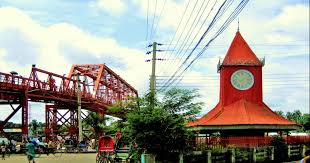
Have you ever dreamed of visiting a place where lush green tea gardens meet ancient shrines and vibrant local markets? Imagine the scent of spices filling the air as you explore bustling bazaars. That’s the magic of Sylhet City, a gem nestled in northeastern Bangladesh.
This guide will take you on a virtual tour, revealing its hidden wonders and must-see attractions. You’ll learn about its rich history, unique culture, and natural beauty, making your planning easier and your visit unforgettable.
Key Takeaways
- Sylhet City offers a blend of natural beauty, cultural heritage, and religious significance.
- The region is famous for its expansive tea gardens and stunning landscapes.
- Discover historical sites like shrines and mosques that tell tales of the past.
- Experience the vibrant local culture through its food, music, and festivals.
- Practical tips for visiting Sylhet City are provided to ensure a smooth trip.
Exploring Sylhet City’s Natural Wonders
Sylhet City is renowned for its breathtaking natural landscapes, drawing visitors from far and wide. The most iconic feature of the region is its vast, rolling tea gardens. These emerald expanses create a picturesque backdrop, offering serene views and a glimpse into the tea cultivation process.
The pleasant climate and fertile soil make this area ideal for growing high-quality tea, a significant export for Bangladesh. Walking through these gardens is a tranquil experience, often accompanied by the gentle rustling of leaves and the distant calls of birds.
The Charm of Tea Gardens
The tea gardens around Sylhet are more than just agricultural fields; they are destinations in themselves. Places like Sreemangal, often called the ‘tea capital of Bangladesh,’ are easily accessible from Sylhet City. Here, you can visit tea estates, learn about tea processing, and even sample different varieties.
The lush greenery extends for miles, creating a calming atmosphere that rejuvenates the senses. Many visitors enjoy guided tours that explain the history and cultivation methods of tea.
- Tea Garden Visits: Experiencing the tea gardens is a highlight. You can often walk among the tea bushes, breathe in the fresh air, and take stunning photographs. Many estates offer guided tours and tasting sessions, allowing you to appreciate the nuances of different tea types. This immersive experience connects you directly with the agricultural heart of the region.
- Natural Beauty: Beyond the tea estates, Sylhet boasts other natural attractions like the Lawachara National Park. This park is home to diverse flora and fauna, including several species of primates, birds, and insects. Hiking trails wind through the dense forest, offering opportunities for wildlife spotting and a deeper appreciation of Bangladesh’s biodiversity. The park’s misty atmosphere and dense foliage contribute to its enchanting appeal.
- Water Bodies: The region is also dotted with numerous lakes and rivers, adding to its scenic charm. The Surma River flows through Sylhet, providing vital waterways and beautiful riverbanks. Boat rides on these rivers offer a unique perspective of the surrounding landscapes and local life. The serene waters reflect the sky and the verdant hills, creating a peaceful ambiance.
Rainforests and Wildlife
The natural beauty of Sylhet extends to its tropical rainforests. Lawachara National Park, located a short distance from the city, is a prime example. This park is a biodiversity hotspot, supporting a rich variety of plant and animal life.
It’s a crucial habitat for endangered species, making it a significant conservation area.
The park’s ecosystem is complex and vibrant. You can find ancient trees, medicinal plants, and a variety of insects. For wildlife enthusiasts, it’s an opportunity to see species like the Hoolock Gibbon, the only ape found in South Asia, as well as various deer, monkeys, and numerous bird species.
The guided trails are well-maintained, making exploration safe and enjoyable for visitors of all fitness levels.
- Biodiversity: Lawachara National Park is a haven for biodiversity. It protects several endangered species, contributing significantly to conservation efforts in the region. The park’s diverse plant life also plays a vital role in the local ecosystem.
- Conservation Efforts: The park is a testament to Bangladesh’s commitment to preserving its natural heritage. Strict regulations are in place to protect the wildlife and their habitats, ensuring the sustainability of this valuable natural resource for future generations.
Cultural and Historical Significance
Sylhet City is steeped in history and boasts a rich cultural tapestry, influenced by its ancient past and religious significance. The region is home to numerous Sufi shrines and historical mosques, attracting pilgrims and history buffs alike. These sites are not only places of worship but also architectural marvels that tell stories of bygone eras.
The spiritual atmosphere surrounding these locations is palpable, offering a sense of peace and reflection.
Sacred Shrines and Mosques
One of the most important historical sites in Sylhet is the Shrine of Hazrat Shah Jalal (R.A.). This revered Sufi saint is credited with spreading Islam in the region. His tomb is a major pilgrimage site, drawing thousands of devotees annually.
The complex also houses a large mosque and a pond where sacred fish are found, believed by some to be descendants of those gifted by the saint himself.
Another significant shrine is that of Hazrat Shah Poran (R.A.), a close companion of Shah Jalal. His shrine is also a place of veneration and peace, located a little outside the main city. These sites are central to the religious and cultural identity of Sylhet, representing a history of spiritual devotion and architectural legacy.
- Pilgrimage Sites: The shrines of Shah Jalal and Shah Poran are central to Sylhet’s religious identity. They are active places of worship and draw a constant stream of pilgrims seeking blessings. The spiritual ambiance here is profound.
- Architectural Heritage: The structures of these shrines and associated mosques showcase traditional Islamic architecture. Their design often reflects local materials and building techniques, providing insights into the historical artistry of the region.
- Cultural Hubs: Beyond their religious importance, these sites often serve as cultural gathering places. They host religious festivals and community events, reinforcing their role in the social fabric of Sylhet.
Local Traditions and Crafts
The cultural landscape of Sylhet is vibrant and diverse. Local traditions are deeply rooted in the community, passed down through generations. This includes unique forms of music, dance, and storytelling.
The region also has a tradition of exquisite handicrafts, particularly in silk weaving and pottery, reflecting the artistic skills of its people.
Sylheti cuisine is another aspect of its rich culture. Influenced by its geography and history, the food features distinct flavors and ingredients. Dishes often incorporate local spices, fish from the region’s rivers, and ingredients sourced from the surrounding tea gardens and farmlands.
Experiencing the local food is an essential part of understanding Sylhet’s identity.
- Culinary Delights: Sylheti food is known for its unique flavors. Dishes often feature local fish, herbs, and spices. Trying local specialties like ‘Khasir Mangsho’ (mutton curry) or various fish preparations is a must for any visitor.
- Artisan Crafts: The region is known for its skilled artisans. Look for handwoven silk fabrics, intricate embroidery, and traditional pottery. These crafts offer a tangible connection to the cultural heritage of Sylhet.
- Festivals and Celebrations: Sylhet celebrates various religious and cultural festivals with great enthusiasm. These events often involve traditional music, dance, and communal feasting, providing a lively glimpse into local customs and community spirit.
Practicalities for Visiting Sylhet City
Planning a trip to Sylhet City involves a few practical considerations to ensure a comfortable and enjoyable experience. Transportation within the city and to nearby attractions is readily available. The local transportation includes auto-rickshaws, microbuses, and taxis, making it easy to get around.
For longer distances, buses and trains are common options.
Getting Around
Sylhet City is well-connected by road and rail. The Shah Amanat International Airport serves the city, making air travel a convenient option for those coming from further afield. Within the city, auto-rickshaws are the most common mode of transport for short distances.
Negotiating fares beforehand is advisable. For trips to tourist spots outside the city, hiring a car with a driver is a popular choice, offering flexibility and comfort.
- Local Transport: Auto-rickshaws and CNG-run auto-rickshaws are abundant for getting around Sylhet city. Fares are generally affordable, but it’s good practice to agree on a price before starting your journey.
- Intercity Travel: For travel to nearby towns like Sreemangal or even to other major cities in Bangladesh, buses and trains are reliable options. The Sylhet railway station connects the city to Dhaka and other parts of the country.
- Hiring Vehicles: For exploring tea gardens or national parks, hiring a private car or van offers the most convenience and flexibility. Tour operators in Sylhet can assist with arranging these.
Accommodation Options
Sylhet City offers a range of accommodation to suit different budgets and preferences. From luxury hotels with modern amenities to budget-friendly guesthouses and homestays, visitors can find suitable lodging. Many hotels are located in convenient areas, close to markets and transport links.
Some resorts are situated amidst nature, offering a tranquil escape.
When choosing accommodation, consider its proximity to the attractions you plan to visit. Booking in advance is recommended, especially during peak tourist seasons or major festivals. Reading reviews can also help in making an informed decision about the best place to stay.
- Hotel Variety: Sylhet offers a wide spectrum of hotels, from five-star establishments to comfortable mid-range options and budget-friendly accommodations. This ensures that travelers of all financial means can find a suitable place to stay.
- Location is Key: Consider staying in areas that provide easy access to transportation and attractions. Many hotels are situated near the city center or key landmarks for convenience.
- Booking in Advance: It is highly recommended to book your accommodation ahead of time, particularly if you are visiting during the peak tourist season or coinciding with local festivals. This guarantees availability and often secures better rates.
Best Time to Visit
The best time to visit Sylhet City is generally during the dry season, which runs from October to March. During these months, the weather is pleasant and mild, making it ideal for outdoor activities and sightseeing. The temperature is comfortable, with less humidity and a lower chance of rain.
The monsoon season, from June to September, brings heavy rainfall. While this time can be visually stunning with lush greenery, it might pose challenges for travel and outdoor exploration. The shoulder seasons, just before and after the monsoon, can also offer a good balance of pleasant weather and fewer crowds.
- Dry Season: October through March offers the most favorable weather for visitors. Temperatures are moderate, and there is minimal rainfall, perfect for exploring the tea gardens and historical sites.
- Monsoon Season: June to September sees significant rainfall. While the landscape becomes exceptionally green and vibrant, travel might be impacted by heavy downpours.
- Shoulder Months: April, May, and September can be good alternatives, offering a mix of pleasant weather and fewer tourists than the peak dry season.
Common Myths Debunked
Myth 1: Sylhet City is only for religious tourism.
While Sylhet is a significant pilgrimage site, it offers much more. Its stunning natural beauty, with vast tea gardens and national parks, attracts nature lovers and adventure seekers. The rich cultural heritage, delicious food, and local crafts also provide diverse experiences beyond religious tourism.
Myth 2: Sylhet is difficult to reach and travel around.
Sylhet is well-connected. It has an international airport and good road and rail links to other major cities in Bangladesh. Within the city and to nearby attractions, local transport like auto-rickshaws and hired cars are readily available, making travel convenient.
Myth 3: Accommodation in Sylhet is basic and expensive.
Sylhet offers a wide range of accommodation options, from luxury hotels to budget-friendly guesthouses and homestays. There are choices to fit every budget, and many options provide excellent value for money, especially when booked in advance.
Myth 4: The weather in Sylhet is always hot and humid.
While Sylhet can be warm, especially during certain months, the weather is not consistently extreme. The dry season (October to March) offers pleasant, mild temperatures. Even during warmer periods, the presence of hills and greenery can offer some respite.
Frequently Asked Questions
Question: What is Sylhet best known for?
Answer: Sylhet is best known for its beautiful tea gardens, its rich spiritual heritage with shrines like Hazrat Shah Jalal’s, and its unique cultural identity.
Question: Is it safe to travel to Sylhet?
Answer: Yes, Sylhet is generally considered a safe destination for tourists. Like any travel destination, it’s wise to exercise caution and be aware of your surroundings, especially in crowded areas.
Question: What kind of food should I try in Sylhet?
Answer: You should try local Sylheti cuisine, which often features delicious fish dishes, mutton curry (Khasir Mangsho), and various preparations flavored with local spices and herbs.
Question: Are there good trekking opportunities near Sylhet?
Answer: Yes, areas like Lawachara National Park offer excellent trekking opportunities through lush forests, allowing you to experience the region’s natural biodiversity.
Question: Can I buy tea directly from the gardens in Sylhet?
Answer: Many tea estates and gardens in and around Sylhet offer opportunities to purchase fresh tea directly. Some estates have shops where you can buy various local tea products.
Conclusion
Sylhet City offers a captivating blend of natural splendor and cultural richness. From its iconic green tea gardens to its revered spiritual sites, the city promises a memorable experience for every visitor. Explore its vibrant markets, taste its unique cuisine, and immerse yourself in its serene landscapes.
Sylhet City stands ready to welcome you with its warm hospitality and breathtaking beauty.