Have you ever dreamed of visiting a place filled with lush tea gardens, sparkling waterfalls, and ancient ruins? Imagine waking up to the scent of tea leaves and the sound of birdsong. This is the magic of the sylhet division. In this guide, we’ll explore what makes this region so special, from its natural wonders to its rich cultural heritage. You’ll discover hidden gems and learn practical tips to plan your perfect trip. Get ready to be inspired to explore one of Bangladesh’s most captivating destinations.
Key Takeaways
- Discover the breathtaking natural landscapes of Sylhet.
- Learn about the rich history and cultural heritage of the region.
- Find out about popular attractions and activities for visitors.
- Gain insights into local customs and traditions.
- Understand how to plan your visit to Sylhet effectively.
Discovering Sylhet’s Natural Wonders
The sylhet division is a paradise for nature lovers. Its landscapes are diverse and stunning. From rolling hills covered in tea plantations to powerful waterfalls, there’s beauty around every corner. The air is fresh, and the scenery is a welcome escape from city life. It’s a place where you can truly connect with nature.
The Lush Tea Gardens
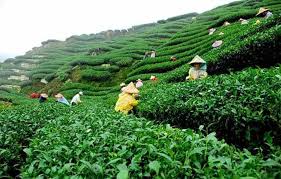
Sylhet is famously known as the tea capital of Bangladesh. Vast estates of vibrant green tea bushes stretch as far as the eye can see. Walking through these gardens feels like stepping into another world. The meticulous care taken to cultivate these plants is impressive. You can even visit tea factories to learn about the process and sample fresh tea.
- Tea Garden Exploration: Many estates welcome visitors. You can wander through the rows of tea plants, enjoying the serene environment. Some offer guided tours explaining the cultivation and processing methods. This provides a deep appreciation for the industry.
- Photography Opportunities: The scenic beauty of the tea gardens makes them a photographer’s dream. The contrast of the green leaves against the sky, especially during sunrise or sunset, is spectacular. You’ll capture stunning images.
- Local Economy Impact: The tea industry is a significant part of Sylhet’s economy. It provides employment for thousands of people. Understanding this connection offers insight into the local way of life and its challenges.
Mesmerizing Waterfalls
Beyond the tea gardens, Sylhet boasts several stunning waterfalls. These natural cascades offer cool, refreshing waters and picturesque surroundings. They are perfect spots for a relaxing day out or an adventurous trek. The sound of falling water is incredibly soothing.
- Madhabpur Lake and Waterfall: This is a popular spot known for its natural beauty and tranquility. The lake is surrounded by hills, and a small waterfall adds to the charm. It’s a serene place for picnics and quiet reflection.
- Panchadara Waterfall: Located in a more remote area, Panchadara requires a bit of trekking. The effort is rewarded with the sight of a beautiful, multi-tiered waterfall. It offers a more adventurous experience.
- How to Reach: Accessing these waterfalls often involves local transport and some walking. Hiring a local guide can be helpful for finding the best routes and ensuring safety. Always be prepared for uneven terrain.
Exploring Sylhet‘s Rich Cultural Heritage
Sylhet’s history and culture are as captivating as its landscapes. The region has a unique identity shaped by centuries of diverse influences. Ancient mosques, historical sites, and vibrant traditions offer a glimpse into its past and present.
Historical Landmarks
Sylhet is home to significant historical and religious sites that attract visitors from far and wide. These places tell stories of rulers, saints, and everyday life through the ages. They are important centers for both cultural preservation and tourism.
- Shah Jalal Shrine: This is one of the most revered pilgrimage sites in Bangladesh. It is the tomb of the Sufi saint Hazrat Shah Jalal. Devotees from all over come here to pay their respects. The complex is vast and architecturally significant.
- Shrines of Companions: Alongside Shah Jalal’s shrine, several other shrines honor his companions. These sites add to the spiritual significance of Sylhet. Each has its own history and importance for followers.
- The Old City of Sylhet: Exploring the older parts of the city reveals a charm of its own. You can find colonial-era buildings and traditional markets. It’s a great place to witness daily life and soak in the local atmosphere.
Local Traditions and Festivals
The people of Sylhet have vibrant traditions and celebrate various festivals with great enthusiasm. These events offer a colorful display of their cultural richness. Experiencing a local festival is a memorable way to connect with the community.
- Baul Music and Culture: Sylhet has a strong tradition of Baul music, a mystical folk tradition. Baul singers are wandering minstrels who express spiritual and philosophical ideas through song. Their performances are deeply moving.
- Eid and Pohela Boishakh: Like the rest of Bangladesh, Eid-ul-Fitr and Eid-ul-Adha are major celebrations. Pohela Boishakh, the Bengali New Year, is also celebrated with great joy, featuring cultural programs and feasts.
- Handicrafts and Cuisine: Sylhet is known for its unique handicrafts, particularly those made from cane and bamboo. The local cuisine is also a highlight, featuring distinct flavors, often with a spicy touch.
Planning Your Visit to Sylhet Division
To make the most of your trip to the sylhet division, some planning is essential. Knowing the best time to visit, how to get around, and where to stay will enhance your experience. Sylhet offers a range of options to suit different travel styles and budgets.
Best Time to Visit
The weather in Sylhet is generally pleasant, but certain times are more ideal for travel. Planning around these periods ensures you experience the best of what the region offers without adverse weather conditions.
- Winter (October to March): This is considered the peak tourist season. The weather is cool and dry, perfect for exploring tea gardens and outdoor attractions. It’s comfortable for walking and sightseeing.
- Monsoon (June to September): While it rains heavily during this time, it also brings out the lush greenery and fills the waterfalls. For those who don’t mind the rain, it can be a beautiful and less crowded time.
- Pre-Monsoon (April to May): This period can be hot and humid, with occasional showers. It’s generally less ideal for extensive outdoor activities but can be a good time for cultural immersion.
Getting Around Sylhet
Once you arrive in Sylhet, several transportation options are available to explore the division. Choosing the right mode of transport depends on your destination and comfort level. Local transport is generally affordable.
- Local Buses and Microbuses: These are the most common and economical ways to travel between towns and cities. They connect most major areas. Routes and schedules can vary.
- Rickshaws and Auto-rickshaws: Within cities and towns, these are popular for short distances. They are readily available and allow for a more up-close experience of local life.
- Hiring Private Vehicles: For more comfort and flexibility, especially when visiting multiple attractions in a day, hiring a car or a Jeep is a good option. This is ideal for families or groups.
Accommodation Options
Sylhet offers a variety of places to stay, from budget-friendly guesthouses to more luxurious hotels. Booking in advance is recommended, especially during peak season.
- Hotels in Sylhet City: The city has many hotels catering to different budgets. You can find options ranging from basic to upscale, often with modern amenities.
- Resorts in Tea Gardens: For a unique experience, consider staying at resorts located within the tea estates. These offer serene environments and beautiful views.
- Homestays: A few homestay options provide a more intimate cultural experience, allowing you to live with local families and understand their way of life.
Experiences Not To Be Missed
There are certain activities and places within the sylhet division that are quintessential to the Sylheti experience. Engaging in these will enrich your visit and create lasting memories. These are often highlighted by travelers as must-do.
Ratargul Swamp Forest
This unique swamp forest is one of the few of its kind in Bangladesh. It’s a magical place where trees grow submerged in water. Exploring it by boat offers an unforgettable experience, especially during the monsoon season when the water level is high.
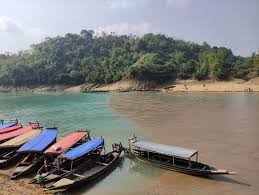
- Boat Rides: The best way to see Ratargul is by hiring a local boat. You’ll glide through the flooded forest, surrounded by the sounds of nature. It feels like entering a different dimension.
- Biodiversity: The forest is home to a variety of plant and animal species, including many types of birds and reptiles. It’s an important ecosystem that needs preservation.
- Best Time to Visit: While accessible year-round, the swamp is most impressive after the monsoon rains when the water levels are at their highest, allowing boats to navigate deeper into the forest.
Jaflong’s Natural Beauty
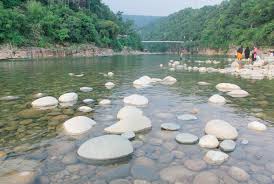
Jaflong is famous for its stunning natural beauty, characterized by rolling hills, limestone boulders, and the clear waters of the Dalu River. It’s a popular day-trip destination from Sylhet city. The landscape here is dramatic and captivating.
- Stone Collection: Jaflong is renowned for its abundant stone collections, brought down by the river. You can witness the local laborers collecting these stones. It’s a glimpse into hard work.
- River Exploration: Taking a boat ride on the Dalu River is a highlight. You can enjoy the scenery and the refreshing breeze. The riverbanks are often dotted with colorful stones.
- Khasi Villages: Nearby, you can visit Khasi ethnic villages to learn about their unique culture and traditions. This offers a broader cultural perspective of the region.
Srimangal’s Tea Heritage
Srimangal is often referred to as the “tea capital of Bangladesh,” and for good reason. It’s nestled amidst rolling hills covered in tea estates. This area is perfect for tea enthusiasts and those seeking a peaceful escape.
- Tea Museum: Visit the Bangladesh Tea Research Institute and its museum. It details the history and process of tea cultivation in the country. It’s educational and informative.
- Seven Layer Tea: Srimangal is famous for its unique “seven layer tea.” This layered drink, with different flavors, is a local specialty and a must-try.
- Lalghat and Lawachara National Park: Explore the lush greenery of Lawachara National Park, a vital habitat for diverse flora and fauna. Nearby Lalghat offers more opportunities to experience the tea culture.
Common Myths Debunked
Many people have misconceptions about traveling in the sylhet division. Understanding the reality can make planning your trip much easier and more enjoyable. These myths often stem from outdated information or general assumptions.
Myth 1: Sylhet is difficult to travel around for foreigners.
Reality: While Sylhet is not as developed for tourism as some international destinations, it is quite accessible. Many locals are friendly and helpful. With a little planning, using local guides, and understanding common transportation methods, visitors can easily explore the region.
Basic English is often understood in tourist areas.
Myth 2: Sylhet only offers natural beauty.
Reality: While its natural landscapes are a major draw, Sylhet also boasts significant cultural and historical attractions. The shrines of Sufi saints, ancient mosques, and vibrant local traditions offer a rich cultural tapestry that complements its natural splendor.
Myth 3: You need to be an adventurer to enjoy Sylhet.
Reality: Sylhet caters to various types of travelers. While adventurous activities like trekking and exploring remote waterfalls are available, there are also plenty of relaxed experiences like visiting tea gardens, enjoying boat rides, and exploring historical sites. There’s something for everyone.
Myth 4: Sylhet is always very hot and humid.
Reality: While parts of the year can be hot, the cooler winter months from October to March offer pleasant, temperate weather. The higher altitudes in areas like Srimangal can also be cooler than the plains. It’s important to check the season before you plan.
Frequently Asked Questions
Question: What is the best way to experience Sylhet’s tea gardens?
Answer: The best way is to visit a working tea estate. Many estates offer tours where you can walk through the gardens, learn about tea processing, and sample fresh tea. Some have on-site resorts for an immersive stay.
Question: Are there any specific customs I should be aware of in Sylhet?
Answer: Modesty in dress is appreciated, especially when visiting religious sites. It is also customary to remove your shoes before entering mosques and homes. Always ask permission before taking photographs of people.
Question: Is it safe to drink tap water in Sylhet?
Answer: It is generally advised to drink bottled water in Sylhet, as tap water quality can be inconsistent. Many hotels and restaurants provide purified water or bottled options.
Question: What kind of food can I expect in Sylhet?
Answer: Sylheti cuisine is known for its distinct flavors, often featuring rice, fish, and a variety of vegetables. Expect flavorful curries and dishes, often with a moderate to high level of spice. They also have a unique style of preparing biryani.
Question: How long should I plan to stay in Sylhet to see the main attractions?
Answer: To comfortably explore the key attractions like the tea gardens, waterfalls, and historical sites, a stay of 3 to 5 days is recommended. This allows for travel time between locations and time to soak in the atmosphere.
Summary
The sylhet division offers a remarkable blend of natural beauty and cultural richness. From the emerald hues of its vast tea gardens and the cascading beauty of its waterfalls to the spiritual solace of its ancient shrines and the vibrant life of its local communities, Sylhet presents a diverse and engaging travel experience. Whether you seek adventure, relaxation, or cultural immersion, this region promises unforgettable moments and a deeper connection to Bangladesh’s heartland. Plan your visit to explore these wonders firsthand.